Alligator Swimming in the Water
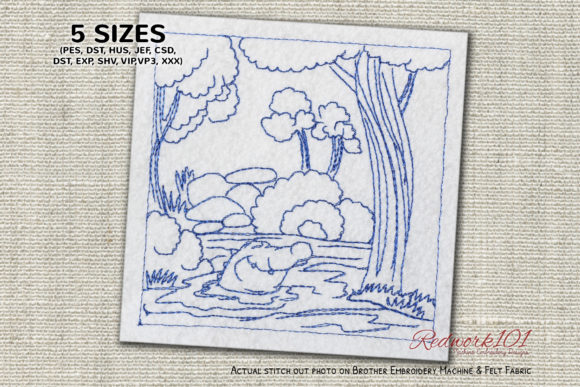
When I first opened the Alligator Swimming in the Water embroidery file, I had one of those immediate gut reactions that every designer learns to trust. This design has personality. It captures a reptile in its natural element without trying to be overly cute or aggressively realistic. The alligator looks relaxed, watchful, and perfectly at home in the water. That mood is surprisingly hard to achieve in a machine embroidery design. Many animal designs either go too cartoonish or too stiff. This one lands in a sweet spot that feels approachable and authentic.
The shape is well-proportioned. The alligator's body curves naturally through the water, with the snout, eye ridge, and tail creating a balanced composition. The water element frames the reptile without overwhelming it. The layout feels intentional, like the designer thought about how the eye would travel across the design. The Box Stitch shown in the sample is optional, which I appreciate. It gives you flexibility depending on the project. For a patch or a standalone piece, the box can add structure. But if you want the alligator to float freely on a tote bag or sweatshirt, skipping the box keeps the design airy and organic.
This is a Wild Animals category design, and it fits there naturally. It has enough detail to feel finished but not so much that it becomes a thread management nightmare. The visual personality is confident and calm. This is not a scary alligator. It is an alligator existing in its space, and that makes it much more usable across different products and audiences.
Real Performance on Real Projects
I tested Alligator Swimming in the Water on a medium-weight cotton sweatshirt first. That is my go-to fabric for evaluating how a design sits on a garment. The stitch out was clean. The fill stitches in the alligator's body laid down smoothly without any pulling or gapping. The satin stitch elements around the eye and the water ripples held their shape well. I did not see any shifting or registration issues, which tells me the digitizing was done with care.
I also stitched it onto a sturdy canvas tote bag for a client who runs a small shop selling reptile-themed merchandise. That tote bag design became one of the best sellers at her next craft fair. Customers responded to the design because it felt like a real animal, not a generic clip art outline. The embroidery gave the tote a handmade product feel that people are willing to pay more for. The optional box stitch around the design helped define the patch-like look on the tote, and without it, the design blended beautifully into the canvas fabric.
For a personalized gift project, I embroidered this design onto a linen kitchen towel. The recipient was a reptile enthusiast, and the design held up well after several washes. The thread colors stayed vibrant, and the stitches did not distort. That kind of durability matters when you are selling finished products or giving gifts that need to last.
I also tested it on a baby onesie, which is always a risk with animal designs that have small details. The design scaled down reasonably well. The eye and snout details remained clear, and the water element did not turn into a blob. I used a lightweight stabilizer and a smaller hoop size, and the result was a cute, wearable piece of baby embroidery that parents actually liked. That is the test. If a design works on a onesie and on a tote bag, it has real range.
Where This Design Shines Best
Based on my testing, Alligator Swimming in the Water performs best on medium to heavyweight fabrics. Cotton, denim, canvas, linen, and fleece all work well. The design has enough stitch density to hold its shape on stable fabrics, but it is not so dense that it becomes stiff or uncomfortable on apparel. For custom apparel like sweatshirts, t-shirts, and aprons, this design is a solid choice. It also works beautifully as an embroidered patch. The optional box stitch gives you a built-in border, so you can stitch it out separately and attach it to bags, caps, or jackets.
For small shop merchandise, this design has strong commercial potential. Etsy sellers and craft business owners looking for reptile-themed designs will find that this piece stands out in a market full of generic animal embroidery. It has enough character to be the focal point of a product without needing extra embellishments. That makes it a good candidate for digital embroidery file sales, printable mockups, and finished product listings.
I also see this working well for holiday gifts, especially for anyone who loves nature, reptiles, or unique animal art. It is not a Christmas design, but it works as a birthday gift, a housewarming gift, or a just-because gift for someone who appreciates embroidery and wildlife. The design feels giftable because it looks intentional and thoughtfully made.
Where to Use Caution
No design is perfect for every situation, and Alligator Swimming in the Water has a few limitations worth noting. On very small hoop sizes, the water details can become crowded. If you are working with a 4x4 hoop, I recommend testing the design on scrap fabric first to see if the scale works for your project. The alligator itself stitches well at smaller sizes, but the water element may need to be simplified or dropped if the space is tight.
On thin or stretchy fabrics, such as lightweight jersey or silk, the stitch density can cause puckering if you do not use the right stabilizer. A tear-away stabilizer might not be enough. I recommend a cut-away stabilizer for stretchy fabrics, especially if the design will be worn or washed frequently. The same caution applies to applique design work. If you plan to use this as an applique, you will need to adapt the water and body shapes carefully to avoid gaps or misalignment.
On dark fabrics, the thread colors in the original design may not pop as much as they do on light or medium backgrounds. The alligator's natural green and brown tones can blend into dark fabric, making the design harder to read. I recommend using lighter thread colors or a contrasting underlay if you are stitching on black or navy garments. Testing in black and white mockups before stitching is a good habit for any embroidery project, and it is especially important here.
On curved surfaces like caps, the design may need to be adjusted. The alligator's horizontal layout works well on flat surfaces, but on a cap crown, the design may need to be scaled down or repositioned to avoid distortion. The same applies to small items like baby shoes or tiny accessories. The design is not unsuitable for those surfaces, but it requires testing and possibly resizing.
Visual Appeal, Product Value, and Buyer Trust
When you stitch out Alligator Swimming in the Water, the finished product looks professional. The clean lines and balanced composition give the piece a polished look that customers notice. That visual clarity directly affects product value. A well-stitched design on a quality garment or accessory can command a higher price, and customers are more likely to trust a brand that consistently delivers crisp, attractive embroidery.
This design also helps with brand consistency. If you run a small shop or Etsy store that focuses on nature or animal themes, this design fits right into your existing lineup. It does not look out of place next to other wildlife designs. It feels like part of a collection. That consistency builds recognition over time, and recognition builds buyer engagement. Customers who see a cohesive style across your products are more likely to return and recommend your shop.
Giftability is another factor. This design is not overly niche. It appeals to reptile lovers, of course, but it also appeals to people who appreciate good design, nature art, or handmade products. That broader appeal makes it a safer choice for personalized gifts and custom orders. You can present it to a client with confidence, knowing the design will look good on the finished product.
Practical Designer Notes Before You Stitch
Before you use Alligator Swimming in the Water in any commercial embroidery project, here are the steps I recommend based on my experience.
Test the design on scrap fabric first. This is the most important step. Every fabric behaves differently, and the design may look different on your chosen material than it does on the sample. Use the same stabilizer and thread colors you plan to use for the final product. This will save you time, thread, and frustration later.
Check thread color contrast against your fabric background. The design uses natural tones, which work well on light and medium backgrounds. On dark fabric, you may need to adjust the thread colors to maintain visibility. If you are selling finished products, consider offering different color options for different fabric bases.
Review the stitch density before hooping. If the design feels too dense for your fabric, you can adjust the stabilizer or use a lighter underlay. If it feels too loose, you may need to add a second layer of stabilizer. The design should feel balanced and secure on the fabric, not stiff or flimsy.
Confirm your hoop size before you start. The design fits most standard hoop sizes, but if you are using a small hoop, check whether the entire design fits comfortably. There is nothing worse than discovering halfway through a stitch out that the design is too large for your hoop.
Inspect small details like the eye and the water ripples. These elements are what give the design its character. If they are not stitching cleanly, check your needle, thread tension, and stabilizer. A small adjustment can make a big difference in the final look.
Test the design in black and white mockups. This helps you see the design's structure without the distraction of color. It is also useful for checking how the design will look on products that are printed in grayscale or sold as digital files.
Compare light and dark fabric backgrounds. If you plan to offer the design on multiple fabric colors, test at least two extremes. This will help you understand how the design reads on different backgrounds and whether you need to adjust thread colors for each option.
Use proper stabilizer for the fabric type. Cut-away stabilizer is best for stretchy fabrics, while tear-away works well for stable fabrics. If you are unsure, test both and compare the results. The stabilizer is often the difference between a professional-looking design and a puckered mess.
Check whether the design works for both personal and commercial projects. If you are purchasing or licensing this embroidery file, confirm the terms before you use it for commercial embroidery or sell finished products. Licensing details matter, and it is your responsibility to respect them. If the license allows commercial use, you can safely use the design in your small shop, Etsy store, or craft business.
Finally, confirm that the design is compatible with your machine. Most machine embroidery formats are widely supported, but it is always worth double-checking before you commit to a project. If you need a different format, contact the designer or check the product listing for available file types.
Alligator Swimming in the Water is a design that rewards careful preparation. If you take the time to test it, adjust it, and match it to the right fabric, the finished product will look professional and sell well. It is a solid addition to any embroidery project lineup, whether you are making custom apparel, handmade products, personalized gifts, or digital design assets for your shop.