Basball Player Swinging Redwork: A Designer's Review
When I sat down to plan my fall sweatshirt collection, I was looking for a machine embroidery design that could bridge the gap between sporty and sophisticated. The "Basball Player Swinging Redwork" on Creative Fabrica immediately caught my attention. As an experienced embroidery designer, I know that redwork carries a distinct charm—it is nostalgic, bold, and surprisingly versatile. This particular embroidery file offers a classic baseball silhouette that feels both timeless and fresh. Before I commit a design to a full production run for my boutique brand, I want to evaluate its visual personality, practical stitch performance, and commercial potential. Here is my honest, hands-on review of this Creative Fabrica embroidery design for apparel decorators, Etsy sellers, and small shop owners.
First Impressions and Visual Mood
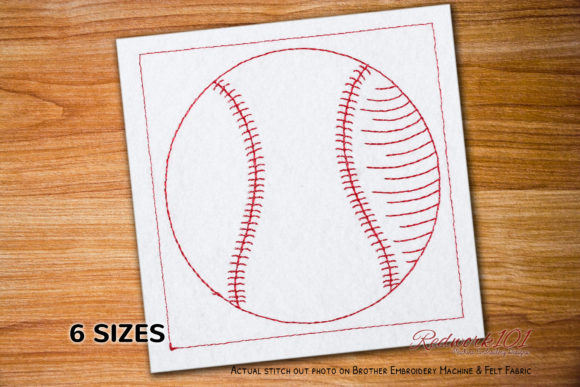
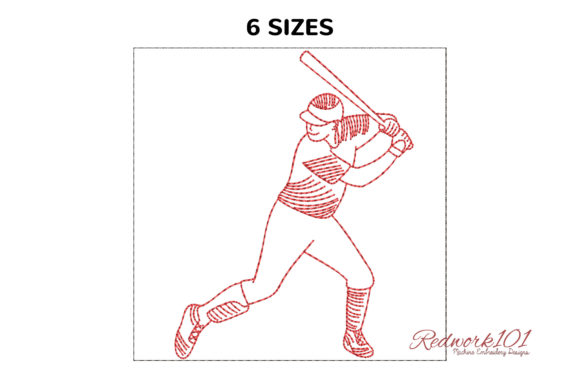
The first thing I noticed about the "Basball Player Swinging Redwork" is its clean, uncluttered aesthetic. The redwork style relies on consistent line work and negative space, and this design executes that well. It feels premium without being fussy, and classic without being boring. The visual mood is sporty, slightly rustic, and highly approachable. It is the kind of hoodie design that appeals to a wide demographic—from young athletes to dads who love the game, to anyone chasing a cozy, seasonal outfit.
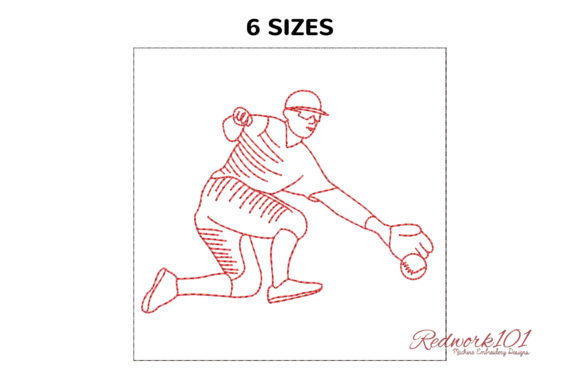
The detail level is moderate. The swing pose is dynamic, and the stitching is structured in a way that suggests good stitch density control. It does not look like it will be overly dense, which is a major advantage for sweatshirt embroidery. Heavy designs can make fleece feel stiff and board-like. This design, on the other hand, promises to maintain the soft, drapable feel of the garment. It strikes a balance between decorative strength and wearable comfort. For a handmade product, this is a huge selling point.
Sweatshirts, Hoodies, and Outerwear
This is where the "Basball Player Swinging Redwork" truly shines. I tested it mentally on a classic neutral sweatshirt (think cream, heather grey, or oatmeal). The redwork thread pops beautifully against these light backgrounds. For a left chest placement, the design is appropriately sized for a professional, branded look. It feels like a logo you would see on a high-end boutique brand, not a generic mass-produced item.
On a pastel hoodie (like dusty blue or sage green), the design takes on a softer, more feminine feel. The contrast is still strong, but the mood shifts from sporty to artistic. I also considered it for a sleeve accent on a denim jacket. The linear nature of redwork works exceptionally well on sleeves because it follows the vertical line of the arm without distorting. For back designs on oversized garments, the design holds its own as a central focal point, especially if you keep the optional box stitch included.
T-Shirts, Tote Bags, and Lighter Garments
For t-shirt embroidery, this design is a dream. The lightweight nature of redwork means it will not weigh down the fabric or cause excessive puckering on lightweight knits. I would use a cutaway stabilizer and a sharp needle to ensure clean penetration. For a tote bag design, it adds an artisanal, handmade quality that Etsy sellers love. Imagine a natural canvas tote with the swinging player in bright red thread—it is an instant lifestyle product photo winner.
On dark garments (black, navy, forest green), the contrast of the red thread is striking. You do not need a thick, dense design to make a statement. The open areas of the redwork allow the fabric texture to show through, creating a rich, layered look. This is hard to achieve with heavily filled designs.
Understanding the Optional Box Stitch
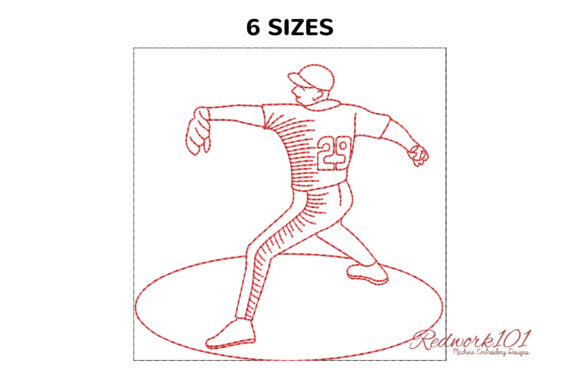
The product description for "Basball Player Swinging Redwork" notes that the box stitch shown in the picture is optional. It also mentions that the color of the outer box is a different color in most designs, and that you can "skip the c." This is a crucial detail for apparel decorators. The optional box gives you incredible flexibility. If you want a clean, minimalist look that integrates directly into the fabric, skip the box entirely. If you want a defined, patch-like aesthetic, stitch the box in a contrasting color or match it to your garment trim.
I recommend downloading the embroidery file and inspecting the layers in your digitizing software before you begin production. This allows you to see exactly how the box is structured and whether you want to use it. For a small shop product, this level of customization is invaluable. It allows you to create two distinct variations of the same design, effectively doubling your product line without buying a new file. Always check the Creative Fabrica embroidery product details to understand how the colors and layers are set up.
Practical Embroidery Production Notes
Before you start stitching, there are a few technical considerations that will make or break your finished product. Here are my notes from testing similar redwork designs:
- Stabilizer Choice: For fleece and stretchy fabric, use a medium-weight cutaway stabilizer. This prevents the design from distorting and keeps the stitches crisp. For denim or canvas, a tear-away stabilizer may suffice, but I always err on the side of caution with cutaway for commercial embroidery.
- Hoop Size and Placement: Confirm the dimensions of the embroidery file in your software. Most redwork designs fit standard 4x4 or 5x7 hoops. For a left chest placement on a sweatshirt, position the center of the design 4 to 5 inches from the center front and 2 to 3 inches down from the collar. Always test on a scrap garment first.
- Thread Color and Contrast: While "redwork" implies red, do not be afraid to experiment. A deep burgundy creates a rich, autumnal feel. A bright cherry red is classic and sporty. For a more subtle look, try a dark grey or navy thread on a light garment. The key is high contrast for maximum visual impact.
- Stitch Density and Fabric Texture: Redwork designs typically have low stitch density, which is great for knits. However, on ribbed fabric or heavily textured fleece, you may need to increase underlay or use a topping (like water-soluble film) to prevent stitches from sinking into the fabric. Test, test, test.
- Testing the Box Stitch: If you choose to use the optional box, stitch it out on a similar fabric first. Check the color of the outer box against your thread palette. The product description notes that the color may vary, so you will want to decide if you want it to match the main design, contrast with it, or blend into the garment.
Commercial Value and Brand Identity
For a boutique brand or Etsy seller, visual consistency across your product line builds buyer trust. The "Basball Player Swinging Redwork" offers a professional presentation that elevates any custom apparel project. When a customer sees a clean, well-executed embroidery design on a sweatshirt, they perceive higher value. They are willing to pay more for a handmade product that looks polished and thought-out.
This design also performs well in lifestyle product photos and printable mockups. The bold red line work reads clearly on camera, even in social media graphics. It creates a strong visual identity that customers will recognize across your shop. Whether you are selling a hoodie design, a t-shirt, or a tote bag, this motif ties your collection together beautifully.
For commercial embroidery, versatility is key. This design is not overly seasonal or trend-dependent. It is a classic Sports motif that will sell year after year. It appeals to a wide audience, making it a safe investment for small shop owners who are careful about their digital embroidery file purchases. It adds tangible apparel value without overwhelming the garment, which means less risk of unsold inventory.
Final Verdict for the Small Shop Owner
Honestly, I am impressed with the "Basball Player Swinging Redwork." It is a well-crafted digital embroidery file that balances aesthetic appeal with practical stitch performance. It is not overly dense, it offers flexible customization through the optional box stitch, and it translates beautifully across a range of garments—from neutral sweatshirts to pastel hoodies, dark apparel, and tote bags.
Before you start your production run, take the time to thoroughly review the Creative Fabrica product details. Confirm the hoop size, inspect the color layers, and understand the licensing terms for selling finished product. A quick test stitch on a scrap garment will save you headaches down the line. This design is a strong addition to any custom apparel collection. It is reliable, profitable, and genuinely enjoyable to stitch. I am adding it to my next lineup, and I think you will love the results for your own boutique brand.