Christmas Hand Bell Redwork: A Designer’s Review for Your Boutique Sweatshirt Drop
When I first opened the Christmas Hand Bell Redwork embroidery file, I was immediately struck by its quiet confidence. This isn’t a loud, over-the-top holiday design. It’s restrained, elegant, and deeply charming—the kind of machine embroidery design that feels like it belongs on a handmade product you’d find in a curated small shop. As someone who has spent years testing embroidery files for custom apparel, I can tell you: this one has real potential for a premium sweatshirt collection.
Let me walk you through how I would evaluate Christmas Hand Bell Redwork before using it on a limited drop for a boutique brand. I’ll cover the mood, the stitch personality, placement strategies, and the practical details that matter when you’re stitching for real customers.
First Impressions: Mood, Layout, and Stitching Personality
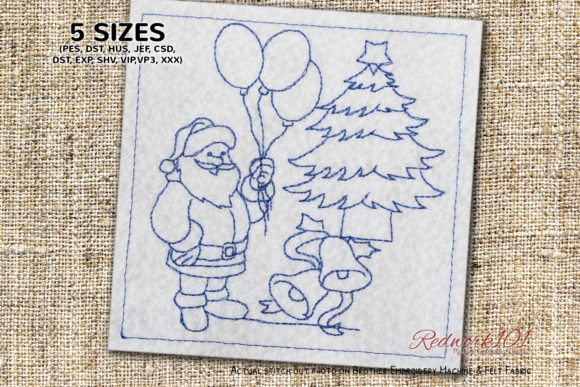
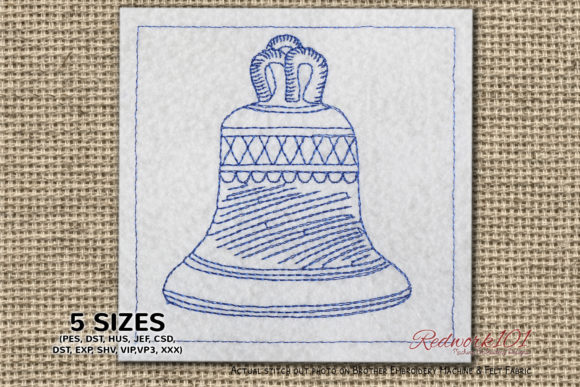
The design features a classic hand bell, rendered in redwork—a style that relies on simple, clean lines and a single thread color. The result is a look that feels both nostalgic and fresh. The bell itself has a gentle, balanced shape, with enough detail to feel substantial but not so much that it becomes fussy. The optional Box Stitch mentioned in the description adds a framing element, but I would personally test it both ways. On a neutral sweatshirt, the box can give the design a polished, almost monogram-like feel. Without it, the bell floats more freely, which suits a casual, playful mood.
The stitching personality here is minimal and decorative with a touch of rustic warmth. It’s not bold in the sense of large, chunky fills; instead, it relies on the elegance of linework. This makes it ideal for sweatshirt embroidery where you want the fabric texture to show through. The design reads as feminine without being overly sweet, and it has a premium quality that would appeal to customers looking for something special in their holiday wardrobe.
How Christmas Hand Bell Redwork Works on Different Sweatshirt Styles
One of the first things I consider is how a design behaves across different fabric colors and garment types. Here’s how I see this design performing in real production:
Neutral and Cream Sweatshirts
This is where Christmas Hand Bell Redwork truly shines. On a cream, oatmeal, or soft beige sweatshirt, a red thread creates a classic, heirloom look. The contrast is clean and readable without being harsh. The handmade product feel becomes immediate—customers will see the care in every stitch. For an Etsy seller or small shop product, this is the kind of color combination that photographs beautifully in lifestyle shots.
Dark Fabric Testing
On black, navy, or charcoal sweatshirts, the redwork style becomes more subtle. The design relies on the thread color to pop, but because redwork uses open linework, you may need to consider a slightly thicker thread or a higher stitch density if you want the bell to stand out. I would recommend testing a sample on dark fabric to see if the thread colors provide enough visual weight. If the linework feels too thin, you could also consider using a white or gold thread for a completely different mood.
Pastel and Blush Tones
Soft pink, lavender, or light blue sweatshirts are a natural match for this design. The red bell against a pastel background feels playful and cozy, perfect for holiday gifting. The stitch density is low enough that the fabric won’t pucker, even on lighter-weight knits. This is a strong option for a boutique brand targeting a feminine, whimsical aesthetic.
Oversized Hoodies and Back Placements
For a larger canvas, like an oversized hoodie, Christmas Hand Bell Redwork can be scaled up slightly (check your hoop size limits) and placed as a center chest design or a shoulder accent. I would also consider a back placement—centered between the shoulder blades, perhaps with the box stitch included for structure. The design’s simplicity means it won’t overwhelm a large garment, but it will still feel intentional and premium.
Placement Strategies for Boutique Apparel
When I’m planning a hoodie design for a small collection, I think about how the placement affects the finished product and the customer’s experience. Here are a few options I would test with this file:
- Chest placement (left or center): The most standard and versatile option. For a left chest, the bell should be scaled to about 2.5 to 3 inches wide. Center chest works well for a more dramatic look, especially on a crewneck sweatshirt.
- Sleeve accents: A smaller version of the bell on one sleeve cuff or near the shoulder can create a subtle, coordinated detail. This is popular for custom apparel and boutique merchandise that aims for a layered, curated feel.
- Back center: A larger placement on the back, between the shoulder blades, gives the design room to breathe. It becomes a statement piece without being overwhelming. This works especially well if you’re using the box stitch to frame the bell.
For product lifestyle photography and printable mockup previews, I would recommend showcasing the design in at least two placements. Customers want to see how it looks in real life, and having a chest version and a back version gives them a clear vision for their own Etsy listings or online shop.
Practical Designer Concerns: Thread, Stitch Density, and Fabric
Let’s get into the technical side. Every commercial embroidery project requires careful attention to the details that affect durability and appearance.
Thread Color Contrast
The description mentions that the outer box color may differ from the design itself, and that you can skip the color if needed. This is a smart design choice—it gives you flexibility. For the bell itself, I would use a bright, true red (like a 100% polyester embroidery thread) for maximum contrast on light fabrics. On dark fabrics, consider a red with a slightly higher sheen or a white thread for a snowy, wintery vibe. Test a small sample to see how the thread colors interact with your fabric.
Stitch Density and Fabric Thickness
Redwork designs typically have low to moderate stitch density, which is excellent for fabric texture. The bell should stitch out cleanly without overwhelming the fabric. For a standard sweatshirt fleece, I would use a medium-weight stabilizer—a tear-away or cut-away depending on the fabric’s stretch. If you’re stitching on a very thick or textured sweater, a cut-away stabilizer will help prevent distortion. The hoop size needed will depend on the final dimensions you choose, but a 4x4 or 5x7 hoop should be sufficient for most placements.
Small-Size Readability
If you plan to offer this design on a child’s sweatshirt or as a small sleeve accent, test the small-size readability. The bell shape should remain clear even at 2 inches wide, but the box stitch might become too dense at very small sizes. I would recommend keeping the design at least 2.5 inches for the bell alone, and 3.5 inches if you include the box.
Washing Durability
For a handmade product that needs to last through multiple washes, the low stitch density is actually a benefit. Fewer stitches mean less thread tension and less risk of puckering over time. Make sure to use a quality stabilizer and test a wash sample. I would also recommend a small, tight zigzag tack-down if the design has any long, unsupported stitches. Based on my review, Christmas Hand Bell Redwork should hold up well for commercial embroidery purposes.
How This Design Affects Product Value and Brand Identity
For a boutique brand or small shop product, every design choice signals something to the customer. Christmas Hand Bell Redwork communicates a commitment to quality and a love for traditional craftsmanship. It’s not a mass-produced graphic; it’s a digital embroidery file that, when stitched with care, becomes a finished product with real emotional resonance.
Here’s how it can affect your business:
- Buyer trust: A clean, well-executed embroidery design tells customers that you pay attention to detail. They will trust your brand for future purchases.
- Visual recognition: The simplicity of redwork makes it memorable. A bell on a sweatshirt is an instantly recognizable holiday symbol, but the redwork style sets it apart from generic options.
- Customer engagement: When you share behind-the-scenes content of the stitching process, customers appreciate the artistry. This design is perfect for that kind of storytelling.
- Handmade presentation: The design enhances the handmade feel of your apparel. It’s the kind of piece that looks like it was made with love, which is exactly what apparel decorators and creative entrepreneurs aim for.
Final Thoughts Before Production
Before you stitch Christmas Hand Bell Redwork on your next batch of sweatshirts, I would recommend doing a few quick checks:
- Confirm the exact stitch count and hoop size for your chosen scaling. The description doesn’t specify these, so open the file in your software and verify.
- Test the design on your actual fabric with your chosen thread colors and stabilizer. A sample run will save you from surprises.
- Decide on the box stitch. Stitch out a version with and without it, then choose based on your garment style and customer preference.
- Plan your product photography to highlight the stitch details. Close-up shots of the redwork lines will sell the quality.
Overall, Christmas Hand Bell Redwork is a versatile, elegant choice for a limited sweatshirt drop. It fits the Christmas theme beautifully without being overly seasonal—it’s a design that feels classic and wearable. For any Etsy seller, embroidery shop, or small clothing brand, this is a design asset that can elevate your custom apparel and help you build a loyal customer base. I’d be happy to stitch this one myself.