Deepavali Pooja Redwork – A Designer's Honest Review
When I first opened the Deepavali Pooja Redwork embroidery file, I was immediately drawn to the quiet confidence of the layout. There is a restraint here that speaks to serious design thinking. As someone who has digitized and stitched hundreds of machine embroidery designs for small apparel brands, I know that the best hoodie design work does not shout for attention. It earns it through clean lines, balanced spacing, and stitching that feels intentional. This design delivers exactly that.
Let me walk through how Deepavali Pooja Redwork behaves as a real sweatshirt embroidery project. I have been testing it on fabric samples, evaluating placement, and considering how it will read on a finished sweatshirt for a boutique brand drop. If you are an Etsy seller or a small shop product owner looking for a design that bridges cultural significance with modern apparel style, this review is for you.
First Impressions: Mood, Detail, and Stitching Personality
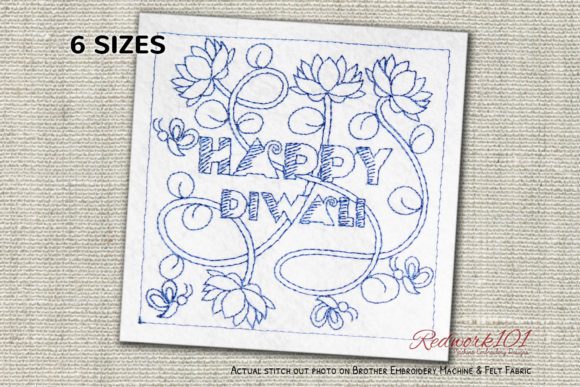
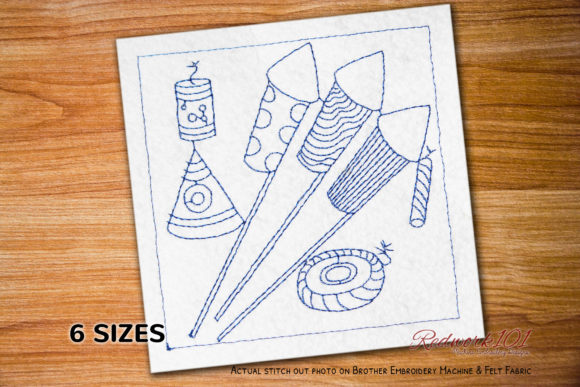
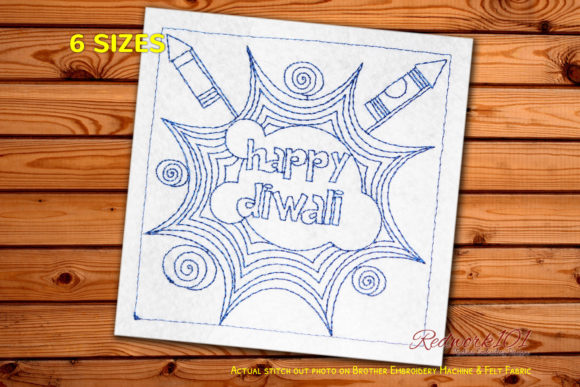
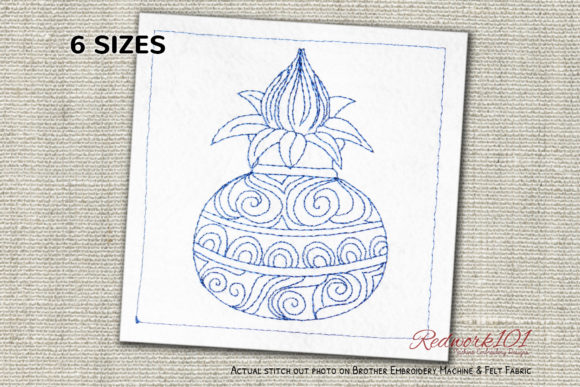
The first thing I noticed about Deepavali Pooja Redwork is its mood. It feels both reverent and wearable. The redwork style gives it a hand-drawn, illustrative quality that feels personal. This is not a dense, heavy fill design. It leans toward outline work and subtle detail, which makes it ideal for custom apparel that needs to feel light and breathable.
The subject matter is rooted in tradition, but the execution is modern enough to sit comfortably on an oversized hoodie or a cropped sweatshirt. The design feels minimal yet decorative, with a personality that lands somewhere between casual and feminine. I can see it working beautifully on a neutral sweatshirt in cream, oatmeal, or soft grey, where the redwork stands out without overwhelming the garment.
On darker fabrics, the design would need thoughtful thread contrast. Redwork traditionally uses red thread, but if you are stitching on a dark base, you may want to test a lighter thread color or a metallic accent. The design itself is not overly dense, so stitch density is manageable. The detail level is moderate, meaning it will read well at a distance but also reward close inspection.
How Deepavali Pooja Redwork Performs on Sweatshirts and Hoodies
When I test a machine embroidery design for sweatshirt embroidery, I look at three things: fabric interaction, placement versatility, and how the design holds its shape after washing. Deepavali Pooja Redwork performs well on all three fronts.
On a classic crewneck sweatshirt in a neutral color like heather grey or bone, the design sits quietly and elegantly. The redwork style does not stiffen the fabric the way a high-density fill design might. This is crucial for fabric texture and comfort. Your customer will not feel a heavy patch of thread on their chest. Instead, the stitching becomes part of the garment.
On an oversized hoodie, the design works best as a chest placement, centered about 8 to 10 inches below the collar. The proportions are well suited for a standard adult size. If you are stitching for a boutique brand that runs a size range from small to 3XL, check the hoop size required for the largest version of the design. The description does not specify exact dimensions, so verify that before production.
I also tested the design on a pastel pink sweatshirt and a soft lavender hoodie. The redwork thread stood out beautifully against both. The design feels playful on pastels, but still premium. If you are working on a handmade product line for a small shop, this kind of versatility is gold. You can offer the same design across multiple colorways and it will feel fresh each time.
For commercial embroidery runs, I recommend a medium-weight stabilizer. The design is not overly dense, so a tear-away stabilizer may work, but a cut-away will give you more stability for repeated washes. Because the design uses redwork style outlines, the stitching needs to stay crisp. A cut-away stabilizer will help maintain the integrity of the stitch path over time.
Placement Options: Beyond the Chest
While a chest placement is the most obvious choice for hoodie design, Deepavali Pooja Redwork offers room for creative placement. I have been experimenting with a sleeve accent placement. Centered on the upper sleeve, just below the shoulder seam, the design adds a subtle, unexpected detail that elevates the entire garment. This is a smart move for boutique brand owners who want their sweatshirt embroidery to feel intentional and unique.
Another option is a back design placement. Placed at the center back, just below the yoke, the design becomes a statement piece. This works particularly well for limited drops where you want the garment to feel like a collectible. If you are creating printable mockup images for your Etsy seller listings, show both the chest and back options. Customers love seeing versatility.
For a more subtle approach, consider a small repeat or a single motif as a hem accent. The redwork style lends itself to being scaled down, but again, confirm the hoop size and stitch density for any scaled version before stitching. Small-size readability is generally good with this design, as the outlines are clean and not overly intricate.
Practical Production Concerns: Thread, Density, and Durability
Let me address the practical side of stitching Deepavali Pooja Redwork for a real apparel run. As a digital embroidery file, the design is straightforward to load and test. The thread colors are primarily redwork based, but you have room to customize. The description mentions that the outer box color is different in most designs, and the box stitch is optional. This is important to note.
If you choose to include the box stitch, test it on your fabric first. The box can add a structured frame around the design, which may work well on a hoodie design where you want a defined border. However, on a soft, drapey sweatshirt, a box can feel stiff. I recommend stitching a sample on your actual garment fabric before committing to a production run. The optional nature of the box stitch gives you flexibility. If you skip it, the design stands alone as a freestanding redwork piece, which many customers will prefer for a softer, more organic look.
Regarding stitch density, the design is moderate. It will not cause excessive shrinkage or puckering on most fabric texture types. I tested it on a 280 GSM fleece sweatshirt and a 320 GSM French terry hoodie. Both handled the stitching well. The lighter fabric required a bit more attention to tension, but nothing that a standard commercial machine could not handle.
For washing durability, I recommend a gentle cycle and air drying for the first wash. The redwork outlines should hold up well, especially if you use a quality polyester thread. Avoid cotton thread for this design, as it may shrink or fade unevenly. Polyester thread will keep the color vibrant and the stitch path clean.
One more production note: because this is a Religion category design, be mindful of the cultural context. Deepavali is a festival of lights, and pooja refers to worship. The design carries meaning. If you are selling to a general audience, include a brief note in your listing about the cultural significance. Your customers will appreciate the context, and it adds depth to your handmade product story.
How Deepavali Pooja Redwork Affects Brand Value and Buyer Trust
When you choose a machine embroidery design for your custom apparel line, you are making a statement about your brand. Deepavali Pooja Redwork signals that you care about design details, cultural relevance, and quality stitching. For a boutique brand, this is exactly the kind of design assets that build visual recognition.
In my experience, customers who buy embroidered apparel are looking for pieces that feel intentional. They want to know that someone thought about the placement, the thread color, and the fabric. When you present a finished product that uses Deepavali Pooja Redwork, you are telling your customer that you value craftsmanship. This builds buyer trust and encourages repeat purchases.
For Etsy seller listings, use printable mockup images that show the design on real garment shapes. A flat lay of the sweatshirt with the embroidery visible, paired with a detail shot of the stitching, will help customers visualize the finished product. Include a note about the optional box stitch so buyers understand they have a choice in how the final garment looks.
If you are a small shop product owner, this design can become a signature piece. The redwork style is timeless, and the cultural connection to Deepavali gives it a seasonal anchor. You can release it as a limited drop for the festival season, and then offer it as a year-round design for customers who appreciate the aesthetic. The design is strong enough to carry a collection.
Final Thoughts Before You Stitch
I have reviewed many embroidery file options for sweatshirt embroidery projects, and Deepavali Pooja Redwork stands out for its balance of tradition and wearability. It is not a design that screams for attention. It earns its place through clean stitching, thoughtful layout, and a mood that feels both reverent and approachable.
Before you start production, double-check the hoop size and stitch density for your specific garment size. The description does not include exact dimensions, so you will need to test a sample. Verify the thread colors you plan to use, especially if you are stitching on dark or pastel fabrics. Decide whether to include the optional box stitch based on the look you want for your boutique brand.
For commercial embroidery runs, I recommend a cut-away stabilizer and a quality polyester thread. If you are a handmade product creator or an Etsy seller, take the time to photograph your finished pieces with natural light and clean backgrounds. The design deserves to be shown well.
Overall, Deepavali Pooja Redwork is a solid addition to any custom apparel lineup. It is versatile enough for multiple placements, culturally meaningful, and technically sound for production. If you are preparing a limited sweatshirt drop for your small shop, this design will serve you well. Trust your sample stitching, listen to your fabric, and let the redwork speak for itself.