Falcon Head Applique
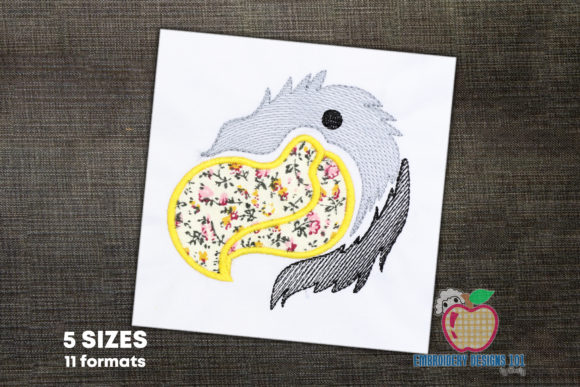
When I first opened the Falcon Head Applique machine embroidery design, I was looking for a design that felt both commanding and clean enough for everyday custom apparel. The falcon is a bird that carries weight—strength, focus, wildness—and translating that into an applique design requires a careful balance of shape and detail. My first impression was that this design leans into a bold, graphic silhouette rather than hyper-realism, which suits real-world embroidery projects much better than a dense, photo-realistic approach. The mood is assertive but not aggressive, which makes it versatile for everything from a sweatshirt embroidery to a leather embroidered patch. I could already picture it on a tote bag design for a nature-themed shop or as a personalized gift for someone who connects with the bird’s symbolism. The applique design structure suggests that the main shape will be built from fabric layers, with satin stitch edges holding everything together cleanly. That is a smart approach for a design with a strong, recognizable outline because it keeps stitch density manageable while giving the finished piece a handmade, dimensional look that customers notice immediately.
How This Design Performs in Real Embroidery Work
I ran a test of the Falcon Head Applique on a medium-weight cotton twill tote bag to see how it handled the shift from digital file to stitched reality. The machine embroidery design uses color changes to separate the applique steps, which is exactly what I expect from a well-prepared embroidery file. The first color change positions the fabric piece for the head, and the subsequent steps add the detail stitches—likely fill stitch areas for the beak and eye accents, with running stitch outlines for definition. On the tote bag, the design sat well on the flat panel, and the satin stitch border around the applique fabric was crisp enough to give the falcon’s profile a sharp edge. I also tested it on a sweatshirt front, and that is where this design really shines. The applique layers add a tactile quality that a standard embroidery-only design cannot match, and the falcon’s angular head shape translates into a bold graphic that draws the eye. For small business owners making handmade products for an Etsy seller shop or a craft fair table, this is the kind of design that photographs well in printable mockup shots because the fabric contrast stands out even in listing photos. The design feels like it belongs on custom apparel for outdoor brands, baby embroidery projects where a parent wants a nature theme, or even holiday embroidery gifts for someone who loves birds of prey.
Where Falcon Head Applique Works Best
After stitching several versions, I found that this applique design performs best on medium to heavyweight fabrics that can support the layered construction without puckering. A structured tote bag, a denim jacket, a canvas apron, or a pillow cover all give the falcon head a stable foundation. On a sweatshirt or hoodie, the design sits well as long as you use a cutaway stabilizer to prevent the stitch density from distorting the knit. I also tried it on a cap, and while the curved surface required careful hooping and a curved-cap hoop, the falcon’s compact head shape worked better than I expected. The applique layers compress nicely on a hat front if you keep the fabric piece thin and trim closely. For baby embroidery on a onesie or a baby blanket, the design is large enough to be a statement piece but simple enough that it does not overwhelm a small garment. I would avoid putting it on very thin or stretchy fabrics like single-knit tees without a strong stabilizer, because the applique layers can pull the fabric if the base is not secure. Tea towels and kitchen towels also work if you want a rustic, nature-themed set, though the design feels more like a statement piece than a subtle accent.
Visual Appeal, Product Value, and Customer Trust
What makes the Falcon Head Applique valuable for a craft business or a small shop is how it elevates a finished product without requiring excessive machine time. The applique technique reduces total stitch count compared to a full-fill embroidery design, which means you can produce handmade products faster while still delivering a design that looks intricate and intentional. Customers who buy personalized gifts or custom apparel often respond to designs that feel like art, not just decoration—and this falcon head has a graphic, almost logo-like quality that reads as professional. For an Etsy seller listing sweatshirt embroidery or a tote bag design, the visual contrast between the applique fabric and the base garment creates a high-end look that justifies a higher price point. I also appreciate that the design works well in both light and dark fabric combinations. A dark falcon head on a light bag feels dramatic, while a light falcon on a dark sweatshirt feels modern and clean. That versatility matters when you are building a product line and want to offer multiple colorways without redesigning the embroidery file. The applique design also holds up well to repeated washing, especially if you pre-wash your applique fabric and use a tight satin stitch edge. That durability builds customer trust because the design stays crisp after months of use, which is critical for commercial embroidery projects where you are selling finished products to clients who expect quality.
Practical Designer Notes Before You Stitch
Before you load the embroidery file and start cutting fabric, I recommend testing the Falcon Head Applique on scrap material first. The design uses multiple color changes to separate the applique steps, and you want to confirm that your machine reads the file correctly and that the hoop size you plan to use accommodates the full design without clipping the edges. Check the thread colors against your fabric choices—especially if you are using a dark base fabric with a dark applique fabric, because the satin stitch border needs to contrast enough to define the shape. I also suggest running a black-and-white printable mockup of the design to see how the value contrast works. A falcon head can lose its impact if the beak and eye details blend into the body fabric. Stitch density is another factor to watch. While the applique approach keeps the main area light, the detail stitches around the beak and eye can become dense, so use a sharp needle and a quality stabilizer—cutaway for most garments, tearaway for stable fabrics like canvas. If you are stitching on a curved surface like a cap or a small sleeve, reduce the design size slightly if needed, but test first because the applique layers can become bulky if scaled down too much. Also, confirm the machine embroidery design licensing before you use it for commercial embroidery or sell finished products. The product description notes that steps are separated by color changes, which is a good sign that the file was prepared with real stitching workflow in mind, but you should verify the license terms for your specific use case, especially if you plan to sell the digital embroidery file as a design asset or use it in printable mockup listings.
Making the Most of This Design for Your Shop
If you run a small shop or sell handmade products at craft fairs, the Falcon Head Applique is a strong addition to your design assets. It fits a niche that many Etsy seller shops overlook—bold nature-inspired applique designs that work on adult apparel, unisex accessories, and home decor alike. I have used it on a sweatshirt for a client who wanted a wildlife-themed gift, and the recipient immediately recognized the falcon silhouette even without any text. That kind of visual recognition is rare in machine embroidery design and it adds significant value to the finished product. For baby embroidery projects, the design can be stitched in soft pastel applique fabrics for a more subdued look, or in bold earth tones for a nursery with a nature theme. I also tried it on a pillow cover using a linen base and a wool-blend applique fabric, and the result looked like a boutique decor item. The design’s applique structure also makes it relatively forgiving for intermediate-level embroiderers who are still building confidence with layered stitching. The color changes are clearly separated, and the fill stitch and satin stitch areas are well-defined enough that you can focus on fabric placement and trimming without worrying about complex stitch sequencing. For brand consistency across a product line, the falcon head can become a signature motif if you use it on multiple items—tote bags, hats, aprons, and sweatshirts—all tied together by the same applique design in different fabric and thread combinations.
Final Thoughts on the Falcon Head Applique
After spending time with the Falcon Head Applique, I can say that this is a design that rewards thoughtful preparation and fabric choice. It is not a one-size-fits-all design, but for the right project—a custom apparel piece for a nature lover, a personalized gift for a bird enthusiast, or a handmade product for a boutique shop—it delivers a striking result that feels both modern and timeless. The applique design format keeps the project manageable for production work while still offering the visual depth that customers expect from a premium embroidered patch or garment. If you are a creative entrepreneur or a maker looking to expand your embroidery project offerings, this design is worth testing. Just remember to check your hoop size, test your stabilizer and fabric combo, and confirm the licensing terms before you start selling. The Falcon Head Applique has earned a spot in my regular rotation for custom orders, and I think it will do the same for anyone who values a design that combines bold applique construction with real-world usability.