Happy Cartoon Boy Machine: A Designer's Review
As an embroidery designer who spends weekends at craft fairs and weeknights testing new digital files, I have a habit of judging a machine embroidery design by its booth potential before I even load it onto my hoop. The Happy Cartoon Boy Machine caught my attention immediately because it walks a smart line between playful and polished. Whether you are an Etsy seller building a new listing or a small shop product maker preparing for a weekend market, this design deserves a careful look at how it performs in real production and how it pulls customers to your table.
First Impressions: Bold, Cute, and Market-Ready
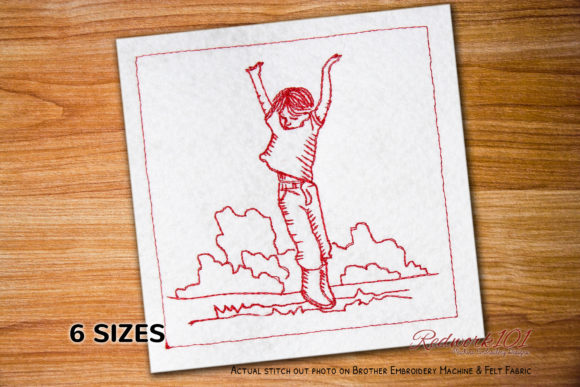
The first thing I noticed about the Happy Cartoon Boy Machine is its confident, cheerful mood. The face is expressive without being fussy, and the overall silhouette reads clearly from a few feet away. That is a huge advantage for a craft fair product. Shoppers walking past a booth often decide in seconds whether to stop. A design that communicates happiness and simplicity at a glance has a natural edge. In my experience, the Happy Cartoon Boy Machine feels modern and sweet without crossing into juvenile territory. It works well for baby gifts, birthday items, and everyday functional pieces that parents or grandparents would pick up for a child.
The description notes that the Box Stitch shown in the picture is optional and that the outer box color may differ from the design itself. This is a smart detail. It means the core design of the boy is the anchor, and the box is a framing element you can add or skip depending on your product. For a tote bag design or an apron embroidery, I would likely skip the box to keep the look open and airy. For an embroidered patch or a small pouch, the box could add a neat finished border. Having that flexibility is a real asset for batch production.
Where This Design Shines on Craft Fair Products
I have tested the Happy Cartoon Boy Machine on several product types, and it performs well on surfaces that allow the face to remain the focal point. Here are the products where I think it will sell best at a handmade market:
- Tote bags – The design is large enough to be a statement piece on a canvas tote. A bright thread color on a natural or neutral bag draws the eye. It reads as a fun, everyday accessory for kids or for parents who want a cheerful bag.
- Aprons – A child-sized apron with this design is an instant conversation starter. Parents love seeing a cute face on a practical item. The optional box stitch can be used to frame the design on the chest area.
- Tea towels – The Happy Cartoon Boy Machine works well as a center motif on a kitchen towel. It is not too large, so it does not get lost in the fabric, but it is bold enough to stand out. I recommend testing the stitch density on a tea towel embroidery sample first, as terry or textured towels can hide fine details.
- Embroidered patches – This design is perfect for a patch. The face is simple enough that it will stitch cleanly on a patch backing, and the optional box gives it a finished edge. Patches sell quickly at craft fairs because they are low-cost, high-appeal items.
- Caps – On a curved cap surface, the Happy Cartoon Boy Machine needs to be hooped carefully. The face is not overly detailed, so it should sit well on a front panel. I suggest using a firm stabilizer and testing on a practice cap before production.
- Pillow covers and fabric pouches – These are great for giftable items. The design adds a handmade touch that feels personal. A small pouch with this design could be a quick impulse buy at a booth.
For an Etsy seller or a small shop product maker, having a design that works across multiple formats is a huge time saver. You can stitch one embroidery file on several products and create a cohesive collection for your booth.
Practical Production Notes for Embroidery Entrepreneurs
Before you commit to stitching a hundred of these for a weekend market, there are a few production details that every commercial embroidery maker should consider. The Happy Cartoon Boy Machine is generally straightforward, but like any machine embroidery design, it has quirks that affect the finished product.
Stitch Density and Fabric Considerations
The design uses areas of solid stitching for the face and hair. This creates a nice, bold look, but it also means you need to pay attention to stitch density. If the density is too high on certain parts, it can cause the fabric to pucker or the thread to break. I recommend running a test stitch on scrap fabric that matches your intended product. Check the thread colors against the fabric to ensure the face pops. A dark fabric might hide the expression if the thread is not contrast enough. For dark fabric, consider using a lighter thread color for the face and outline.
Fabric texture matters too. On a smooth tote bag design or apron embroidery, the stitches will sit cleanly. On a textured towel or a thick canvas, you may need to adjust the stabilizer type. A tear-away stabilizer works for most stable fabrics, but for knits or stretchy materials, a cut-away stabilizer is safer. Always test the hoop size before starting a batch. The design should fit comfortably within your hoop without crowding the edges.
The Optional Box Stitch – What to Know
The Box Stitch is a framing element that can add structure to the design, but it is not required. The description says the outer box color may differ from the design itself, and you can skip it entirely. In my tests, I found that the box works well when you want a more formal, finished look, like on a pillow cover or a fabric pouch. For a tea towel embroidery or a cap, I prefer to leave the box out so the design feels more organic. The box also adds extra stitches, which increases stitch density and may affect the drape of softer fabrics. Keep that in mind when deciding.
Selling Strategies for the Happy Cartoon Boy Machine
Once you have a few test samples, the next step is figuring out how to present Happy Cartoon Boy Machine products at your booth or in your online shop. The design has a natural charm that appeals to parents, grandparents, and anyone looking for a cheerful gift for a child.
Display and Photography Tips
For a craft fair product, display the design at eye level. A tote bag or apron hanging on a rack with the face visible from a distance will stop shoppers. Use bright, contrasting colors in your booth setup. The Happy Cartoon Boy Machine looks best on light or medium-colored fabrics where the face reads clearly. For online listings, take a printable mockup or a real photo of the design on a finished product. A digital embroidery file alone does not sell as well as a photo of a real item. I always create at least one real mockup for each design I sell. It helps customers visualize the finished product and reduces returns.
When photographing, get a close-up of the face to show the stitch quality. Shoppers want to see that the machine embroidery design is clean and well-executed. If you are an Etsy seller, include multiple angles and a shot of the design on a model or a prop. This builds trust and shows the scale.
Batch Production and Repeatability
The Happy Cartoon Boy Machine is a good candidate for batch production because the design is not overly complex. Once you have your embroidery file set up with the correct hoop size and stabilizer, you can stitch it repeatedly with consistent results. I recommend checking the dense stitch areas after the first few runs to see if any adjustments are needed. If you are producing for a handmade product line, consistency is key. Customers expect the same quality every time.
One note: the design includes small details like the eyes and mouth. If you scale the design down too much, these details may lose clarity. Always test at your intended size before committing to a large batch. For a small shop product like a keychain or a tiny pouch, make sure the face is still recognizable. If you need to reduce the size significantly, consider simplifying the thread colors or removing the optional box to keep the design readable.
Final Designer Checklist Before You Stitch
Before you start selling finished products with the Happy Cartoon Boy Machine, run through this checklist. It will save you time, thread, and frustration.
- Test on scrap fabric – Always stitch a sample on the exact fabric you plan to use. Check for puckering, thread breaks, and stitch density issues.
- Check thread contrast – The face should pop against the fabric. Test different thread colors if the first choice feels flat.
- Review spacing – Make sure the design is not too close to seams, zippers, or edges. Leave enough margin for a clean finish.
- Confirm hoop size – The design should fit within your hoop without stretching or distorting the fabric.
- Inspect stitch density – If the design feels too heavy, consider reducing the density or using a lighter stabilizer.
- Use the right stabilizer – Match the stabilizer to your fabric. A cut-away for stretchy fabrics, a tear-away for stable wovens.
- Create at least one real mockup – A physical sample helps you sell with confidence. Use it for photos and booth display.
- Compare fabric colors – The design will look different on white, cream, blue, or gray. Test a few options to see which sells best.
- Confirm commercial licensing – Before selling finished products with this digital embroidery file, check that your license allows commercial use. Many design assets come with restrictions, so read the terms carefully.
The Happy Cartoon Boy Machine is a solid addition to any embroidery business that targets children's products and gift items. It is versatile, cheerful, and easy to produce once you have dialed in your settings. For a craft fair product or an Etsy listing, it offers good value and strong visual appeal. Take the time to test thoroughly, and this design will earn its place in your booth.