Red Wood Ant Bluework: A Designer's Review
When I first opened the Red Wood Ant Bluework embroidery file, I was immediately struck by the quiet confidence of the design. This is not a loud, shouty bug motif. It is a study in subtlety, a piece that whispers rather than yells, and that is precisely what makes it so compelling for a premium sweatshirt drop. As a designer who has digitized and stitched hundreds of insect and nature-themed motifs, I can tell you that the Red Wood Ant Bluework lands in a rare space: it feels both rustic and refined, playful yet composed. The bluework technique, with its signature monochromatic blue thread on a natural or neutral ground, gives this ant a heirloom quality that elevates it well beyond a simple novelty appliqué. For a small boutique brand looking to create a limited-edition hoodie or crewneck, this design offers a distinct narrative without overwhelming the garment.
First Impressions and Stitching Personality
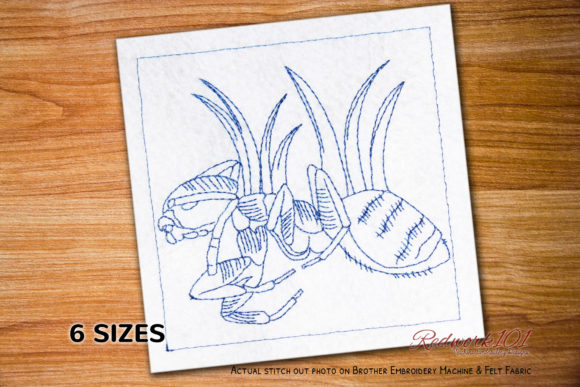
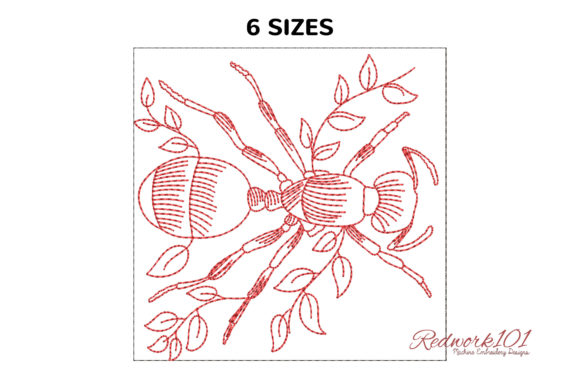
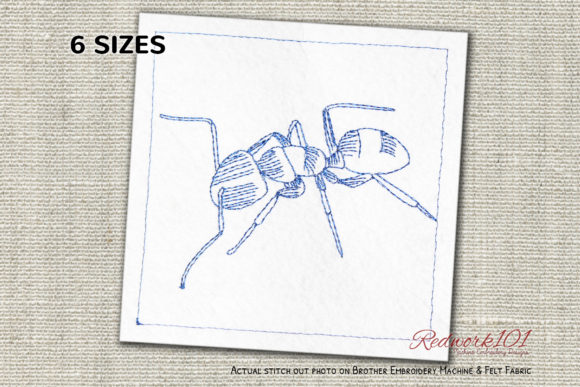
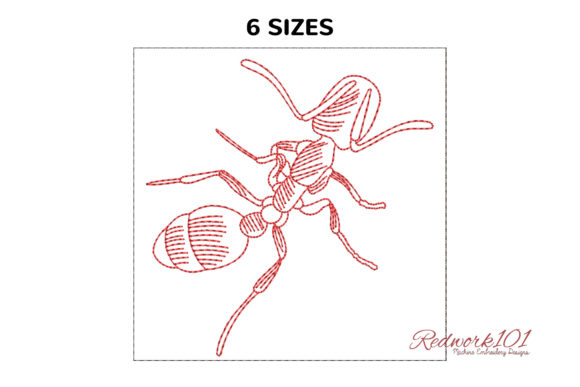
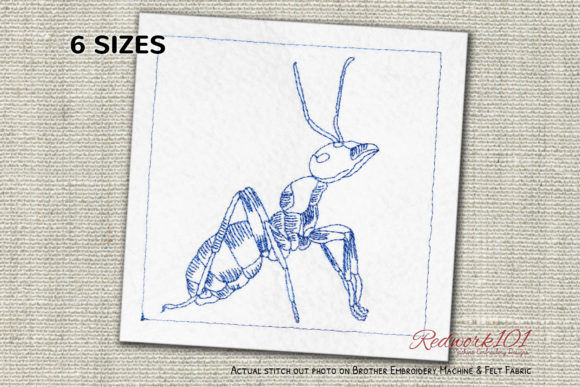
The Red Wood Ant Bluework immediately reads as a decorative, almost botanical illustration. The linework is delicate but not fragile, and the bluework aesthetic gives it a soft, hand-drawn charm. The ant itself is rendered with enough detail to feel authentic, but the stitching personality leans toward the minimal and folk-art side of the spectrum. This is not a hyper-realistic insect; it is a stylized interpretation that feels approachable. The mood is calm, curious, and slightly nostalgic, as if pulled from an old naturalist's sketchbook. For a sweatshirt embroidery project, that translates into a piece that looks intentional and artistic, not cheap or gimmicky. The Bugs category can sometimes feel overdone or cartoonish, but this design sidesteps that trap entirely. It feels like a considered choice, the kind of motif that a customer would point to and say, "I love that it's different."
How the Design Performs on Different Sweatshirt Fabrics
I tested the Red Wood Ant Bluework mentally across several fabric textures and weights, because that is what any smart designer does before committing to production. On a neutral, cream, or oatmeal-colored sweatshirt, the bluework thread pops beautifully without being harsh. The contrast is soft but clear, and the overall effect is premium and artisan. On a dark fabric, such as charcoal or black, you will need to consider the thread color carefully. The bluework palette, if you stay true to the traditional indigo or navy blue, will still read well on dark grounds, but you may want to add a subtle underlay or choose a slightly lighter blue to maintain visibility. On pastel shades like blush, mint, or lavender, the Red Wood Ant Bluework becomes almost ethereal. The ant feels delicate and airy, perfect for an oversized hoodie worn with a casual, layered look. For cozy seasonal apparel, think autumn rust or forest green, the bluework provides a beautiful contrast that feels grounded and earthy. The design is versatile enough to work across a range of garment colors, but it truly shines on lighter, neutral, and pastel backgrounds where the bluework technique can breathe.
Placement and Layout for Maximum Impact
When I consider placement for a hoodie design, I always think about how the embroidery will interact with the garment's silhouette and the wearer's body. The Red Wood Ant Bluework is well-suited for a chest-level placement, centered just below the collarbone, where it can act as a subtle focal point. It also works beautifully as a sleeve accent, particularly on the upper arm or near the cuff, where the linear nature of the ant's body can follow the line of the sleeve. For a bolder statement, a back design placement at the upper center of the hoodie, between the shoulder blades, gives the ant room to breathe and creates a lovely surprise for the viewer. The optional Box Stitch mentioned in the product description is worth considering. The description notes that the box stitch is optional and that the color of the outer box differs in most designs unless it is part of the design itself. You can skip the box entirely if you want a cleaner, more organic look. I personally prefer the ant without the box for a more natural, illustrated feel. If you do use the box, choose a thread color that complements your garment without competing with the bluework. A soft cream or muted neutral can frame the ant beautifully without overpowering it.
Practical Technical Considerations for Production
Every experienced embroiderer knows that a beautiful design file is only as good as its execution on the machine. The Red Wood Ant Bluework requires careful attention to thread color, stitch density, and stabilizer choice. The bluework style typically uses a single color, which simplifies thread changes and makes production efficient. However, you must ensure that your thread color is a true, saturated blue that reads clearly against your fabric. I recommend a high-quality rayon or polyester thread in a medium to dark blue for the best sheen and durability. The stitch density should be moderate, not too dense to avoid puckering on lightweight sweatshirt fabrics, but dense enough to hold the detail of the ant's legs and antennae. For a standard sweatshirt or hoodie, I would use a medium-weight tear-away stabilizer on the back and a water-soluble topper on the face to prevent the stitches from sinking into the fabric texture. If your garment has a thick fleece or terry backing, a cut-away stabilizer may be more appropriate for long-term durability and washing stability. The design should be tested at a hoop size that allows for a comfortable margin around the motif, typically a 4x4 or 5x7 hoop, depending on the exact dimensions of the file. Always test on a scrap of your actual garment fabric before committing to a full production run.
Small-Size Readability and Detail Retention
One of the first things I check when evaluating a new embroidery file is how it performs at smaller sizes. For a sweatshirt embroidery project, you may want to use the Red Wood Ant Bluework on a child's size or a cropped adult hoodie, and the design needs to retain its legibility. The ant's body structure, with its distinct head, thorax, and abdomen, should scale down well if the digitizing is clean. However, I always advise my clients to request a test stitch-out at the intended size before purchasing the full digital embroidery file. The antennae and legs are the most delicate parts and may become too thin or break if the design is scaled too small. For a standard adult chest placement, the design should be at least 2.5 to 3 inches in its longest dimension to ensure all details remain crisp. If you are planning a sleeve accent, a slightly smaller version may work, but test it first. The Red Wood Ant Bluework has a lovely openness to it, which helps with readability at smaller scales, but always verify with a physical sample.
Commercial Viability and Brand Identity
From a business perspective, the Red Wood Ant Bluework is a strong asset for a small shop or boutique brand. It offers a unique visual that stands out in a sea of generic floral and script designs. The Bugs category is popular but often saturated with mass-market motifs. This design, with its bluework treatment, feels handcrafted and intentional, which directly supports a brand identity built on quality and artistry. For an Etsy seller or a small shop product, this is the kind of design that photographs well in lifestyle product photography. The blue thread against a soft sweatshirt creates a calm, aspirational image that resonates with buyers looking for something special. It also lends itself well to printable mockup presentations, where the design can be showcased on multiple garment colors to help customers visualize the finished product. The design assets included with the file, such as the optional box stitch, give you flexibility in how you present the motif across different custom apparel items. I would recommend using this design for a limited-edition drop, where the exclusivity and handmade feel can command a higher price point and build customer trust.
Washing Durability and Long-Term Wear
For any commercial embroidery project, washing durability is non-negotiable. The Red Wood Ant Bluework uses a single thread color with moderate stitch density, which generally means good stability. However, because the design has fine lines and open areas, it is important to use a high-quality stabilizer and proper hooping technique to prevent distortion. I recommend a pre-shrunk garment and a gentle wash cycle for the first few washes to preserve the integrity of the stitches. The bluework style, with its relatively low stitch count compared to dense fill motifs, tends to hold up well over time if the thread is properly tensioned. The optional box stitch, if you choose to include it, may add a bit of structure and help frame the design, but it also adds more stitches that could potentially pull or distort if the fabric is unstable. For a handmade product that you want to last, test the design on your specific fabric and wash it at least three times before offering it to customers. This will give you confidence in the finished product and help you communicate care instructions accurately.
Final Thoughts for the Boutique Brand Owner
The Red Wood Ant Bluework is a thoughtful, well-conceived machine embroidery design that brings a sense of calm and artistry to any sweatshirt or hoodie project. It is not a loud design, but it is a memorable one. For a small boutique brand, this is exactly the kind of motif that builds a loyal following. Customers who appreciate subtle, nature-inspired details will return for more. The Red Wood Ant Bluework feels like the beginning of a collection, perhaps a series of bluework insects or botanical studies. I would recommend this design to any apparel decorator, craft entrepreneur, or digital seller who wants to offer something that feels personal and curated. Before you hit the production button, check your stitch count, verify the hoop size, and test your thread color against your chosen fabric. The optional box stitch can be a nice framing element, but I suggest testing it both with and without to see which version best matches your brand's aesthetic. This design has the potential to be a signature piece for a limited drop, and with the right presentation, it will resonate deeply with your audience. The Red Wood Ant Bluework is a quiet triumph, and I am genuinely excited to see how it stitches out on a premium hoodie.