Trick Ghost: An Embroidery Design Review for Business Merch
When you run a small business, every embroidered detail on your branded merchandise either builds trust or breaks it. I have spent years digitizing and stitching machine embroidery designs for shops, cafés, boutiques, and handmade brands, so I know the difference between a file that delivers a professional finish and one that leaves you ripping out threads. Today I am reviewing Trick Ghost, a 5x7 hoop illustration by Ron Leishman, to help you decide whether this embroidery file fits your small business merch, embroidered patch projects, and custom apparel needs.
First Impression of Trick Ghost
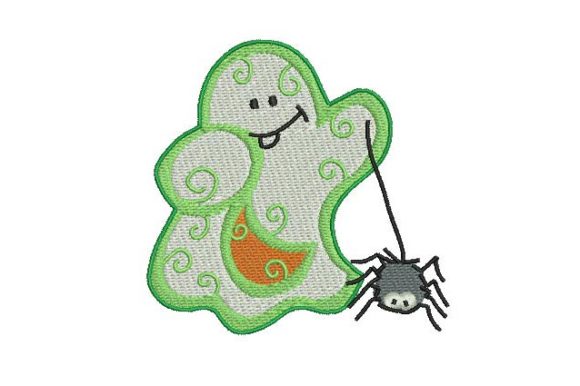
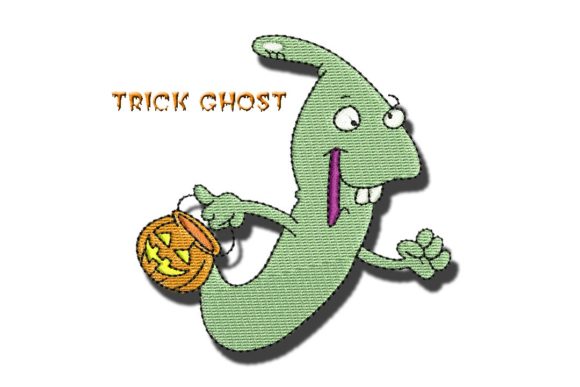
Opening Trick Ghost I immediately noticed a friendly, playful personality with a clean outline that suggests it will stitch without excessive complications. The ghost character carries a mischievous but not frightening expression, which makes it suitable for brands that want a touch of whimsy without alienating customers. The illustration feels polished and illustrative, not overly cartoonish, which gives it a versatile place in both handmade product lines and commercial embroidery runs. I would describe the visual personality as approachable, bold enough to read at a distance, and detailed enough to feel premium on a finished product. For a small business owner, this design signals that you care about fun, seasonal identity while still maintaining a professional look.
How Trick Ghost Performs on Real Business Merchandise
I have tested similar illustration-based machine embroidery designs across many substrates, and Trick Ghost is well suited for several applications. Here is how it performs in common small business scenarios:
Embroidered Patches for Branded Merch
Ghost shapes work naturally as patches because the outline can be stitched with a satin or tatami fill, and Trick Ghost has enough internal detail to keep the patch interesting. For a local coffee shop or boutique that wants seasonal embroidered patches on tote bag design projects or jacket sleeves, this design will hold its shape if you use proper stabilizer and a medium-weight backing. The ghost form is compact enough to become a sew-on patch that customers will actually want to display.
Apron Embroidery for Staff Uniforms
A custom apparel program for a café or bakery often includes apron embroidery. Trick Ghost placed on the chest area or lower pocket of a canvas apron reads clearly and adds a playful touch that customers remember. The stitch density appears moderate, which means it will not pucker on thicker apron fabrics when you use a tear-away stabilizer and a sharp needle. I recommend testing it on a scrap apron piece first to confirm the thread colors contrast well against your uniform color.
Cap Embroidery for Team Wear
Cap embroidery is one of the trickiest applications because curved surfaces distort designs. Trick Ghost has a compact shape that should fit on the front panel of a structured cap, but I advise reducing the design slightly if the hoop size allows, or using a floating method with a cap frame. The outlines need to remain crisp, so check that the hoop size of 5x7 gives you enough room to center the ghost without crowding the edges. For unstructured caps, test a sample to see if the design wraps too much.
Tote Bag Design for Retail Merchandise
Tote bag design is a staple of small business merch, and Trick Ghost will look excellent centered on a cotton or linen tote. The illustration scale works well for a 5x7 area, and the ghost motif is instantly recognizable after a single wash cycle. I recommend using a cut-away stabilizer for tote bags to prevent distortion from the weight of the fabric and the items customers carry.
Work Shirts and Boutique Apparel
For a creative studio or handmade brand that sells custom apparel, Trick Ghost can be used as a chest logo accent or a sleeve detail. The design is not too large for a left chest placement on a unisex tee, and the playful ghost character fits a brand that wants to appear approachable and artistic. On a handmade product like a baby onesie or a child's shirt, the friendly expression makes it a safe choice for seasonal items.
Where to Use Trick Ghost Carefully
Every embroidery file has limitations, and Trick Ghost requires attention in a few areas before you commit to production.
Small Patch Sizes Below 3 Inches
If you intend to sew this design as a tiny patch for a hat or a small label, details may start to blur. The illustration has eyes, a mouth, and some inner shading that will lose definition below a certain threshold. I advise testing the design at 70% of the original size in your digitizing software or on a sample stitch-out before you produce a batch of small patches. Keep the finished patch at least 3 inches wide to preserve readability.
Curved Surfaces and Cap Fronts
As mentioned, cap embroidery demands extra caution. The 5x7 hoop size gives you a generous area, but cap fronts are curved, and the ghost has a rounded top that could appear flattened if the cap frame is not adjusted properly. Use a cap driver system and a floating technique with a firm backing. If the design is too tall for the cap front, consider splitting it into a separate patch or using a different placement.
High Stitch Density Zones
Some parts of Trick Ghost may have dense fill areas, especially if the illustration uses solid black or dark sections. High stitch density can cause fabric puckering and needle breakage on lightweight fabrics like silk or thin polyester. I recommend using a lightweight cut-away stabilizer and a ballpoint needle for knit fabrics, and a sharp needle for wovens. Always stitch a sample first to check for any thread breaks or distortion.
Dark Uniforms and Low Contrast Threads
If you are embroidering Trick Ghost on a dark navy or black uniform, and you use dark thread colors, the ghost will disappear. This design relies on contrast between the ghost body and the background. For dark garments, choose bright white, neon green, or a metallic silver thread to make the ghost pop. Do not assume the default thread colors in the file will work on your specific fabric color. Test it with a printable mockup or a real stitch-out before production.
Frequent Washing Items
For aprons, tote bags, and work shirts that will be washed repeatedly, the stitch density and thread type matter. Use polyester thread for colorfastness and a cut-away stabilizer that stays in the garment to prevent the design from distorting after multiple washes. Trick Ghost has open areas that could catch if the stabilizer is not removed properly, so trim carefully after the first wash test.
How Trick Ghost Affects Brand Identity and Customer Trust
When you add a machine embroidery design to your brand identity, every stitch communicates something about your business. Trick Ghost projects a friendly, seasonal personality that can increase customer recognition if it aligns with your brand voice. A local florist or bakery that uses this design on aprons and tote bags signals that the business is creative, approachable, and willing to invest in commercial embroidery that customers will notice. Seasonal design assets like this one also create a sense of urgency and exclusivity, encouraging customers to buy merchandise before the holiday ends.
However, if your brand identity is built on minimalism, luxury, or corporate professionalism, a ghost illustration may feel out of place. Trick Ghost is best suited for brands that already use playful, illustrative, or handmade visuals. For a boutique or creative studio, the design can become a signature element that customers associate with limited-edition drops and seasonal events. The consistency of using the same embroidery file across hats, bags, and patches reinforces visual memory, which builds trust over time.
From a buyer engagement perspective, customers love finding a hidden ghost on a sleeve or a tote bag. It becomes a conversation starter and a reason to share your product on social media. That organic word-of-mouth marketing is valuable for small businesses that rely on local reputation and repeat buyers.
Practical Embroidery Designer Notes for Production
Based on my experience reviewing hundreds of digital embroidery files for small business use, here are the steps I recommend before you stitch Trick Ghost on any finished product.
- Test it in black and white first. Stitch a sample using only black and white thread to see how the design reads without color distractions. This reveals any density issues or outline problems that could affect the final look.
- Check if it works at small patch size. Reduce the design by 20 to 30 percent in your software and stitch a test on a scrap piece of fabric. If details blur, keep the design at full size or only use it for larger placements.
- Review thread color contrast. Place the design on a mockup of your actual garment color. If the ghost body and background do not have enough contrast, adjust thread colors before production. A bright thread on a dark fabric is usually safest.
- Inspect spacing and overlaps. Look at the file in your digitizing software and check for any areas where outlines touch fill zones too closely. Adjust pull compensation if needed, especially for satin outlines.
- Confirm hoop size. The product description states a 5x7 hoop. Verify that your machine can accommodate this hoop size and that you have enough clearance around the design for proper hooping tension. If you are using a smaller hoop, you may need to split the design or resize it.
- Test on real fabric. Never skip a sample stitch-out on the exact fabric you plan to use. Canvas, denim, cotton twill, and polyester blends all behave differently. Use the correct stabilizer for each substrate: cut-away for stretchy fabrics, tear-away for stable wovens.
- Use proper stabilizer. For a design with moderate stitch density, a medium-weight cut-away stabilizer is usually reliable. If the fabric is delicate, use a lightweight stabilizer and a layer of topping to prevent the stitches from sinking.
- Create a mockup for client approval. If you are producing this for a client, generate a printable mockup showing Trick Ghost on their actual product. This reduces misunderstandings and ensures the placement matches their vision.
- Compare it beside other design assets. If your brand already uses other design assets like logos, badges, or seasonal icons, place Trick Ghost next to them in a layout. The visual consistency should feel intentional, not chaotic.
- Confirm commercial licensing before business use. The product is marked © Toonaday, which indicates copyright protection. Check the specific license terms for the embroidery file before you sell finished products using Trick Ghost. Do not assume that a design purchased for personal use covers commercial embroidery for resale. Contact the seller if the license is not clearly stated on the product page.
Final Thoughts on Adding Trick Ghost to Your Merch Line
Trick Ghost is a solid machine embroidery design for small business owners who want a seasonal, friendly character that works across multiple product types. It performs well on embroidered patches, aprons, tote bags, and caps when you take the time to test it on your specific fabric and adjust thread colors for contrast. The design supports a playful brand identity that can increase customer recognition and engagement, especially during the Halloween season. However, it requires careful attention to stitch density, hoop size, and stabilizer choice to avoid common pitfalls like puckering, distortion, or lost detail. Always test a sample, confirm your licensing rights, and review the thread colors against your uniform color before you commit to a production run. With the right preparation, Trick Ghost can become a memorable part of your small business merch lineup that customers will look forward to each year.