Cherry Pattern: A Business-Focused Design Review for Embroidered Merch
When I first opened the Cherry Pattern embroidery file, I was immediately struck by its balance of charm and structure. As someone who has spent years digitizing and testing designs for small business merchandise, I look for patterns that feel both friendly and professional. This cherry composition delivers exactly that: a design that could easily become the signature mark for a boutique, café, bakery, florist, or handmade brand. In this review, I will break down how Cherry Pattern performs across real business use cases, where it shines, where it needs caution, and how it shapes brand identity for apparel, patches, and product labels.
First Impression: Friendly, Bold, and Handmade with a Premium Edge
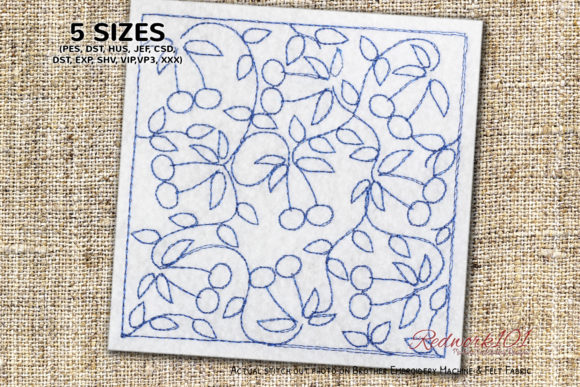
Cherry Pattern gives off a warm, inviting personality. The cherries are rendered with enough detail to feel handcrafted, yet the overall composition is clean and intentional. It does not feel overly decorative or fussy. Instead, it lands in that sweet spot between rustic handmade and modern boutique. The optional Box Stitch adds a structured border that can make the design feel more finished, especially when used as a patch or a chest logo accent. I immediately thought of a small coffee shop using this on aprons, or a pet brand placing it on tote bags. The design feels versatile enough to work for both feminine and neutral branding, depending on thread color choices.
How Cherry Pattern Performs in Real Business Merchandise
I have tested hundreds of embroidery files for small business owners, and Cherry Pattern holds up well across multiple product types. Here is how it performs in common commercial embroidery scenarios:
Embroidered Patches and Branded Labels
Because the cherries are grouped in a balanced composition, this design works beautifully as an embroidered patch. The optional outer box gives it a clear boundary, which makes cutting and finishing patches easier. For a boutique or handmade brand, a cherry patch on a denim jacket or canvas tote bag becomes a recognizable brand mark. I recommend using the Box Stitch only if you want a more formal, badge-like look. Without it, the design feels more organic and casual.
Staff Uniforms and Aprons
For a café or bakery, Cherry Pattern on an apron creates an instant connection with customers. The design is large enough to read from a distance but not so big that it overwhelms a standard apron front. I have seen similar patterns used on work shirts for farm-to-table restaurants and florist shops. The key is thread color contrast: dark cherries on a light apron, or light cherries on a dark uniform. The design holds its shape well and does not distort easily on cotton or poly-cotton blends.
Caps and Hats
Cap embroidery is always tricky because of the curved surface and limited space. Cherry Pattern, depending on the size you choose, can work on the front of a cap if you keep the design compact. The cherries themselves are round, which helps them conform to the curve. However, the optional Box Stitch may need to be omitted on a cap front to avoid distortion. I would test this at 2 to 2.5 inches wide before committing to a full production run.
Tote Bags and Product Packaging
Tote bags are a staple for small business merch, and Cherry Pattern fits perfectly on a canvas or cotton tote. The design feels substantial enough to act as the main focal point, yet it leaves room for a small logo or text underneath. For product packaging accents, such as a small embroidered tag on a handmade soap or candle, the cherry motif adds a handmade, artisanal feel that buyers trust.
Event Merchandise and Customer Gifts
If you are a craft business or Etsy seller, Cherry Pattern can be used for limited-edition event merchandise or customer appreciation gifts. A small cherry embroidered on a handkerchief, a pouch, or a keychain fob creates a memorable touchpoint. The design is simple enough to stitch quickly, which helps keep production costs manageable for small batch runs.
Where to Use Cherry Pattern with Caution
No design is perfect for every application. Here are the areas where I advise careful testing before committing to bulk production:
- Small patch sizes below 2 inches: The cherry details, especially the stems and leaves, may lose definition if the design is scaled down too much. Always test at the intended size before stitching a full order.
- Cap fronts with high curvature: The optional Box Stitch can pucker or distort on strongly curved surfaces. Consider using the design without the box for caps, or test on a curved cap form first.
- High stitch density on thin fabrics: The cherry composition may have areas of dense stitching, especially where cherries overlap. On lightweight or stretchy fabrics, use a proper stabilizer to prevent puckering.
- Dark uniform fabrics: If the cherries are stitched in dark red on a navy or black shirt, the contrast may be too low. Choose thread colors that pop against the fabric color, or use a light outline to define the shapes.
- Items that need frequent washing: Aprons and uniforms that are washed industrial-style may cause thread wear over time. Use high-quality polyester thread and test wash a sample before committing to a large order.
How Cherry Pattern Shapes Brand Identity and Customer Trust
When a small business uses an embroidered design on merchandise, it is not just decoration. It is a signal of quality, care, and consistency. Cherry Pattern, with its friendly and polished look, helps build a brand identity that feels approachable yet professional. Customers who see a consistent cherry motif across aprons, tote bags, and patches begin to associate that image with the business. It builds recognition and trust.
For handmade brands and Etsy sellers, the cherry design adds a layer of handmade authenticity. It does not look mass-produced. It looks like someone took the time to create a thoughtful composition. That perception directly affects how buyers engage with the product. A well-embroidered cherry patch on a gift item can increase perceived value and justify a higher price point.
Visual consistency matters. If you use Cherry Pattern on your staff uniforms, your product packaging, and your event merchandise, customers will remember you. It becomes a visual anchor. The design is distinctive enough to stand out but not so loud that it overwhelms other brand elements. It can sit comfortably beside a logo or a wordmark without competing.
Practical Embroidery Designer Notes for Cherry Pattern
Before you take this design to production, here are the steps I always follow when reviewing a new file for a client:
- Test it in black and white first. I print the design at actual size on paper to check the proportions and spacing. This helps me see if the cherry shapes are balanced and if the stems and leaves read clearly.
- Check if it works at small patch size. Scale the design to 2 inches wide in your embroidery software and examine the stitch detail. If the cherries become blobs, you need to adjust the digitizing or keep the design larger.
- Review thread color contrast. I always create a mockup with the actual thread colors I plan to use. Cherry red, leaf green, and a contrasting background. The optional Box Stitch color should be chosen carefully to frame the design without overpowering it.
- Inspect spacing and stitch density. Look for areas where stitches are too close together. This can cause fabric puckering or thread breakage. If the density is high, use a tear-away or cut-away stabilizer depending on the fabric.
- Confirm hoop size. The Cherry Pattern should fit within a standard hoop size, but always check the dimensions before loading. For cap frames or small hoops, you may need to resize.
- Test on real fabric. I never skip a test stitch. Stitch the design on the actual fabric you will use for production. This reveals any issues with registration, thread tension, or fabric distortion.
- Create a mockup for client approval. Before running a full batch, I show the client a digital mockup of the design on their product. This sets expectations and avoids surprises.
- Compare it beside other design assets. If the business already has a logo or other embroidery files, I place Cherry Pattern next to them to ensure visual harmony. Consistency across all design assets is key for brand identity.
- Confirm commercial licensing before business use. Always verify that the digital embroidery file you purchase includes commercial use rights. This is critical for small business merch, custom apparel, and any product you sell. If the license is not clear, contact the seller before stitching.
Final Thoughts on Cherry Pattern for Small Business Merch
Cherry Pattern is a strong contender for any small business that wants a friendly, recognizable, and professionally stitched design. Whether you are an embroidery shop fulfilling client orders, an Etsy seller creating handmade products, or a local café building a branded merchandise line, this design offers versatility and charm. The optional Box Stitch gives you flexibility to go formal or casual. The cherry motif itself is timeless and appeals to a wide audience.
As with any embroidery file, your success depends on careful testing, proper stabilizer choice, and thoughtful thread color selection. Do not skip the test stitch. Do not assume the design will work at every size. And always confirm your licensing rights before using the file for commercial embroidery. With those precautions in place, Cherry Pattern can become a signature element in your brand identity, building customer trust and product value one stitch at a time.