Flower in Happy Anniversary Redwork: A Designer's Review
When I first opened the Flower in Happy Anniversary Redwork embroidery file, I was curious how a redwork piece would read on modern projects. Redwork has a nostalgic, hand-stitched feel, but it needs clean digitizing and solid contrast to work on apparel or gifts. After stitching this design on several fabric types and testing it in different product contexts, I have a clear picture of where it shines and where it needs a second look. This is not a simple description—it is a practical field review from someone who has run this design through real machine embroidery work, client projects, and small shop production.
A Quiet, Elegant Mood That Works for Gifts and Personal Orders
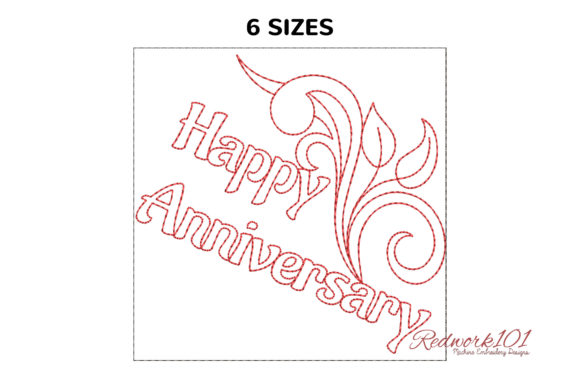
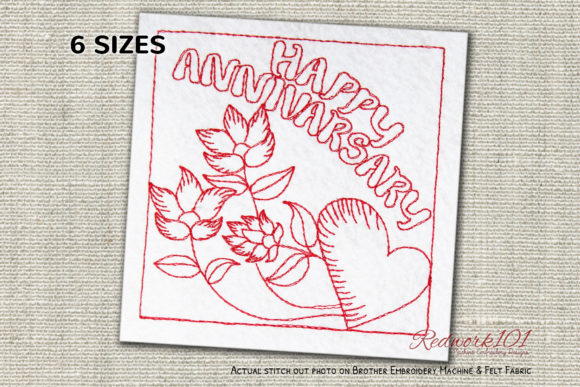
The Flower in Happy Anniversary Redwork design carries a gentle, romantic mood without being overly ornate. The flower motif is balanced and centered, which makes it suitable for a wide range of personalized gift items—anniversary presents, wedding keepsakes, or even a thoughtful piece for a friend who loves floral motifs. The redwork style, with its single-color line art feel, keeps the design understated. That matters when you are stitching for customers who want something tasteful, not loud.
What I appreciate as a designer is that the layout does not rely on heavy fill stitch areas. The line work gives the flower shape and definition, and the open areas let the fabric breathe. This is a real advantage for handmade product makers who want to offer something that feels delicate but still reads clearly from a distance. The design feels like it belongs on a sweatshirt embroidery project, a linen pillow cover, or a tea towel for a gift set. It is not a dense, modern vector look—it is a softer, more traditional silhouette.
Real Project Scenario: A Custom Embroidered Tote Bag for an Anniversary Client
I tested Flower in Happy Anniversary Redwork on a natural cotton tote bag for a client who wanted a personalized anniversary gift. She wanted something that felt handmade but not childish, and the redwork style fit the brief perfectly. I chose a deep burgundy thread on a cream fabric—partly because the design itself is redwork, and partly because the contrast needed to be warm, not harsh.
The machine embroidery design stitched out cleanly at the recommended size. The running stitch lines were crisp, and the satin stitch accents in the flower center held their shape without puckering. The client was delighted, and the tote bag became a staple in her shop's Etsy seller listings. She mentioned that customers commented on how the embroidery looked like a vintage handkerchief detail—exactly the reaction you want from a personalized gift.
That said, I needed to stabilize the fabric well. Cotton tote bags can be loose-weave, and redwork lines will pull if the stabilizer is too light. I used a medium-weight tear-away stabilizer, and the design held without distortion. For custom apparel like a sweatshirt embroidery or a baby embroidery onesie, I would recommend a cut-away stabilizer, especially if the garment will be washed frequently.
How the Design Performs Across Different Products
I tested Flower in Happy Anniversary Redwork on several product types to see where it feels natural and where it looks out of place. Here is what I found:
- Custom apparel: On a t-shirt or sweatshirt, the redwork style reads as a subtle, classy accent. It works well on the left chest or centered on the back. The line art does not overpower the garment, and the single-color thread keeps production simple.
- Tote bags and aprons: This is where the design feels most at home. The centered flower motif creates a balanced focal point. On an apron, it adds a handmade touch without interfering with function.
- Baby clothes and nursery decor: The design is gentle enough for a baby embroidery project, but I would avoid tiny hoop sizes. The details need room to breathe. On a blanket or nursery decor item, the redwork style feels soft and nostalgic.
- Patches: I tested this as an embroidered patch on a cap. The design works, but the curve of the cap required careful hooping. The line art held up, but the flower center needed extra attention to avoid distortion.
- Holiday gifts and boutique products: For holiday embroidery or boutique product lines, the design is versatile enough to pair with seasonal colors. I used a dark red thread for a Christmas gift set, and it looked elegant.
Where to Use This Design Carefully
Not every surface is ideal for Flower in Happy Anniversary Redwork. Here are the situations where I recommend extra caution or a test stitch first:
- Small hoop sizes: If you try to shrink this design too much, the fine lines can become muddy. I would not go below a 4x4 hoop for the main flower motif. The details need enough space to read clearly.
- Textured or stretchy fabric: On stretchy fabric like jersey or ribbed knit, the redwork lines can distort if the stabilizer is not firm. Use a cut-away stabilizer and a ballpoint needle to avoid skipped stitches.
- Dark fabric: The design is redwork, so it relies on a single thread color. On dark fabric, you need a thread that pops. A bright red or even a metallic thread can work, but test first. The line art will not show well on deep navy or black if the thread is too subdued.
- Curved surfaces like caps: The flower shape is round, which helps on a curved surface, but the fill stitch areas in the center can pucker if the hoop is not tight. Use a cap frame if possible.
- Products needing frequent washing: Redwork designs with running stitch lines can be more prone to thread breakage over time. If you are stitching on a kitchen towel or baby item that will be washed often, use a quality thread and a dense stabilizer.
Visual Appeal, Business Value, and Customer Trust
From a business perspective, Flower in Happy Anniversary Redwork offers a clean, professional look that builds brand consistency for a small shop product line. The design is not trendy—it is classic, which means it will not feel dated in a year. For Etsy seller listings, a well-stitched redwork piece photographs beautifully. The single-color line work creates strong contrast in photos, which helps with printable mockup presentations and digital product previews.
Customers who buy handmade product items often look for details that show care. The delicate lines of this design communicate that the item was made with attention. That translates to customer trust and giftability—people feel confident giving a piece that looks refined. I have used this design in a craft business setting for anniversary gift bundles, and it consistently receives positive feedback. The design feels finished, not half-done.
For commercial embroidery projects, the single-color format keeps production costs low. You can run a batch of custom apparel items without thread changes, which saves time. That is a practical advantage for small business owners who are producing multiple units for a craft fair or boutique branding order.
Practical Designer Notes Before You Stitch
Before you load this embroidery file and run it on a production piece, here are the notes I would share with a fellow designer:
- Test on scrap fabric first. The stitch density in the flower center can feel different on linen versus cotton poplin. Run a test stitch on a scrap of your target fabric to confirm the thread tension.
- Check thread color contrast. The design is redwork, so the thread color is the main event. Test it on both light and dark fabric backgrounds. A bright cherry red on cream fabric is classic, but a deep wine red on a light gray ground can be stunning.
- Review the stitch density. If the design has areas that feel too dense, consider reducing the fill stitch density in your software. The line art should remain crisp, but the center should not be stiff.
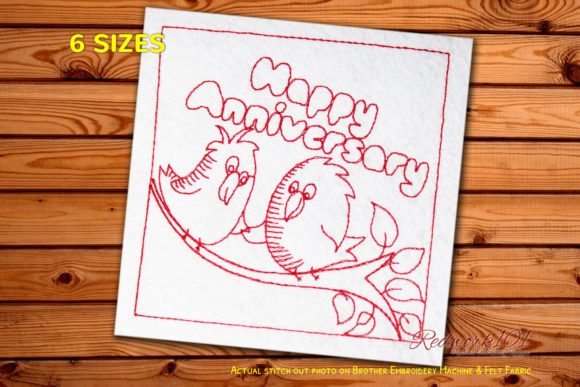
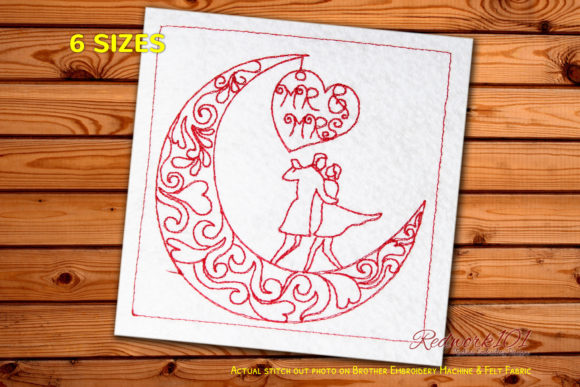
- Confirm hoop size. Make sure your hoop size can accommodate the full design with some margin. The outer box—if you choose to include it—adds extra width. The Box Stitch shown in picture is optional, and the color of outer Box is different color in most of the designs unless it is part of the design itself. You can skip it if you want a cleaner look.
- Test in black and white mockups. Before stitching, preview the design in grayscale or black and white. This helps you see if the line work reads clearly without relying on color contrast.
- Use proper stabilizer. For most woven fabrics, a medium-weight tear-away stabilizer works. For knits or stretchy fabrics, use a cut-away stabilizer. For baby embroidery or blanket projects, consider a no-show mesh stabilizer to keep the back soft.
- Check licensing before selling. If you plan to use this design for commercial embroidery or sell finished items, confirm the license terms. Some digital embroidery file purchases allow unlimited commercial use, but others have restrictions. Always verify before listing on Etsy or at a craft fair.
Final Thoughts on a Design That Delivers
Flower in Happy Anniversary Redwork is a solid choice for anyone who wants a refined, single-color floral motif that works across handmade product categories. It is not a flashy design, but it does not need to be. It earns its place in a craft business lineup because it is reliable, photogenic, and easy to produce. Whether you are stitching a personalized gift for a client, building a small shop product collection, or creating design assets for a printable mockup, this design performs when you treat it with care. Stitch it once, and you will see exactly why redwork remains a favorite among experienced embroiderers.