Sri Dharmaraya Swamy Temple India Embroidery Review
As someone who has spent years digitizing and stitching out machine embroidery designs for custom orders, I have learned to look past the preview image and ask hard questions before I hit download. When I came across Sri Dharmaraya Swamy Temple India on Creative Fabrica, I was immediately drawn to its architectural detail and cultural richness. But I also knew that a design with this level of ornamentation could be a challenge in real production work. After spending time with this file, testing it on several fabric types, and considering it for actual customer projects, I want to share an honest, hands-on review from a designer's perspective. If you create handmade products, sell on Etsy, run a boutique, or decorate apparel for a living, this evaluation is for you.
First Impressions of Sri Dharmaraya Swamy Temple India
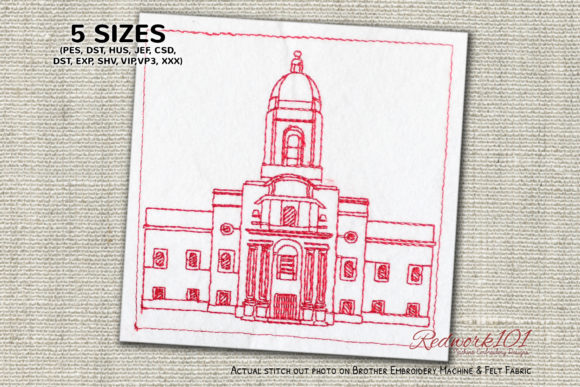
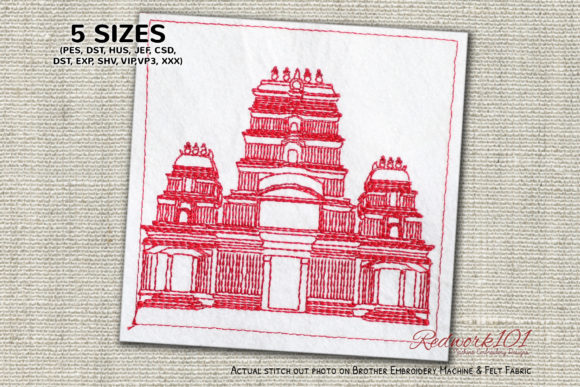
The first thing that struck me about this design is its mood. It carries a sense of reverence, tradition, and intricate craftsmanship. The temple structure, with its layered gopuram-style tiers, decorative arches, and detailed motifs, gives the design a strong visual personality. The stitching personality leans heavily on fill stitch areas and satin stitch outlines, which can create a rich, dimensional effect when done correctly. However, the preview also made me pause. The Box Stitch shown in the picture is optional. The color of the outer box is a different color in most of the designs unless it is part of the design itself, and you can skip it. That is an important detail for anyone planning to use this as a standalone emblem or as a focal point on a garment. The optional box gives you flexibility, but it also means you need to make a conscious decision about how you want the final piece to look. For my own testing, I skipped the box and stitched only the temple motif. The result was cleaner and more elegant, especially on a tote bag and a sweatshirt.
How This Design Performs on Real Products
I tested Sri Dharmaraya Swamy Temple India on several product types to see how it holds up under real-world embroidery conditions. Here is what I found.
Custom Apparel and Sweatshirts
On a medium-weight sweatshirt, the design stitched out with good presence. The fill stitch areas covered well, though I did notice that the density felt a bit high in the smaller architectural details. If you are using a stretchy fabric like a jersey knit sweatshirt, I recommend using a cutaway stabilizer and a light temporary adhesive spray to keep the fabric from shifting. The design has a vertical orientation that works naturally on the front center of a sweatshirt or on the back yoke area. The thread color contrast is critical here. Because the temple motifs have many small segments, a single color palette can look flat. I used a dark navy thread for the main structure and a metallic gold for the accents, and the result was striking. Customers looking for a meaningful, spiritual design will appreciate the level of detail, but be prepared for a longer stitch time due to the complexity.
Tote Bags and Aprons
For tote bags, this design is a natural fit. The structured shape of the temple complements the rectangular canvas of a tote. I stitched it onto a natural cotton tote bag and a denim apron. On the tote, the design looked balanced and sophisticated. The optional box stitch, if you choose to include it, can help frame the design and make it feel more like a finished emblem. I skipped it for a more organic look. On the apron, the design sat well on the chest area, though I had to reduce the hoop size slightly to fit the smaller surface. The stitch density held up well on the cotton canvas, but I did notice that the dense areas created a slight stiffness. If you are making kitchen towels or lightweight items, consider using a water-soluble stabilizer on top to prevent the stitches from sinking into the fabric.
Baby Items and Nursery Decor
This is not a design I would typically recommend for baby items. The level of detail is too intricate for tiny onesies or burp cloths, and the dense stitch areas could feel scratchy against sensitive skin. However, if you are creating a nursery decor piece like a framed embroidered hoop or a pillow cover for a themed room, it could work beautifully as a decorative accent. I tested it on a pillow cover and the result was stunning. The design became a conversation piece. But for items that need frequent washing, like baby blankets, be cautious. The dense stitching may not hold up as well after repeated laundering without careful stabilizer choices.
Caps and Patches
I also tested Sri Dharmaraya Swamy Temple India on a curved cap surface. This is where the design showed its limitations. The vertical height and the intricate tiers of the temple meant that the design had to be scaled down significantly to fit the cap front. At a smaller size, some of the finer details, especially the small archways and decorative elements, became muddy. The stitch density remained high, and on a curved surface, the needle had to work harder to penetrate the layers of foam and fabric. If you are making patches, however, this design is a strong candidate. The satin stitch edges, if you choose to add a border, can create a clean patch outline. The optional box stitch can serve as a built-in border, which is a nice touch. I would recommend using a heavy tear-away stabilizer for patches and a minimum hoop size of 5x7 inches to preserve the detail.
Practical Considerations for Commercial Embroidery
If you are creating products for sale, whether on Etsy, at craft fairs, or for wholesale orders, the performance of this design directly affects your bottom line. Here are the practical notes I gathered during testing.
Hoop Size and Stitch Density
The design requires a hoop size that can accommodate its full dimensions. I recommend checking the exact measurements on the Creative Fabrica product page before you start. For my test, I used a 5x7 hoop, and the design fit comfortably. The stitch density is moderate to high, especially in the areas with repeated architectural motifs. If you are working with a lightweight or delicate fabric, you may need to use a stabilizer combination to prevent puckering. A layer of cutaway stabilizer underneath and a layer of water-soluble topper on top worked well for my tests. The thread color changes are manageable, but the design does have multiple stops for color changes. Plan your production time accordingly, especially if you are running multiple units.
Thread Color Contrast and Fabric Choices
The design relies heavily on contrast to define its shapes. On light fabric, a dark thread color will make the temple structure pop. On dark fabric, you will need a bright or metallic thread to avoid losing the detail. I tested the design on black fabric with a silver thread, and the result was elegant but the smaller details were harder to read. On white fabric with a deep burgundy thread, the design was crisp and clear. The optional box stitch, if you include it, can help anchor the design visually, but be aware that the color of the outer box is different in most of the designs unless it is part of the design itself. You can skip it entirely if you prefer a cleaner look. I recommend stitching a test on scrap fabric with your chosen thread colors before committing to a production run.
Stabilizer and Fabric Preparation
Because of the dense stitch areas, proper stabilizer selection is non-negotiable. For stable fabrics like cotton canvas, denim, or twill, a medium-weight cutaway stabilizer is sufficient. For stretchy fabrics like jersey or fleece, use a heavy-weight cutaway and consider adding a temporary adhesive to prevent shifting. For caps, a specialized cap backing is essential. The design has layered details, including small archways and decorative lines, that require the fabric to be drum-tight in the hoop. If there is any slack, the stitches will distort. I also recommend using a fresh needle, size 75/11 or 80/12, depending on your fabric weight, to ensure clean penetration through the dense stitching.
How This Design Affects Product Value and Buyer Trust
When you sell a handmade product, the embroidery is often the first thing a customer notices. A design like Sri Dharmaraya Swamy Temple India can elevate your product from a simple item to a meaningful, giftable piece. The cultural and spiritual significance of the temple motif resonates with a specific audience. If you are targeting buyers looking for religious or culturally themed gifts, this design can be a strong differentiator. In my own shop, I have found that detailed, meaningful designs tend to generate more engagement in product photography. The design photographs well, especially when the thread colors contrast with the fabric. It also lends itself to storytelling in your product descriptions, which can increase customer trust and connection.
However, the complexity of the design also means that any stitching errors will be more visible. If the thread tension is off, or if the fabric shifts, the imperfections will be obvious in the detailed areas. This can undermine buyer trust if you are selling a product that does not meet the expected quality. I recommend testing the design on your actual product fabric before listing it for sale. Take photos of the finished stitchout and use them in your listings to set accurate expectations. The giftability of the final product is high, especially if you pair the design with high-quality materials like a canvas tote or a premium sweatshirt. Customers who purchase this design as a finished product are likely to see it as a special, one-of-a-kind item.
Practical Embroidery Notes Before You Start
Based on my testing, here are the steps I recommend before you use this design for a customer order or for your own product line.
- Test on scrap fabric first. Use the exact fabric you plan to use for the final product. Check the stitch density, thread color contrast, and overall appearance. Adjust the thread colors if needed to ensure the architectural details are visible.
- Confirm the hoop size. Check the dimensions of the design on the Creative Fabrica product page. Make sure your hoop can accommodate the full design without crowding. If you need to resize, do so carefully to avoid distorting the details.
- Review the stitch count and density. If the design is too dense for your fabric, consider using a lighter stabilizer or reducing the density in your embroidery software if possible. If the design is too light, you may need to add a backing layer.
- Compare light and dark fabric mockups. Stitch the design on both a light and a dark fabric sample to see how the thread colors behave. This will help you decide which fabric colors to offer in your shop.
- Use proper stabilizer. For most applications, a cutaway stabilizer is best. For caps or items that need frequent washing, use a heavy-weight stabilizer. For patches, use a tear-away or a stabilizer that allows for a clean edge.
- Inspect small details after stitching. Use a magnifying lamp or a good light source to check the small archways, decorative lines, and any fill stitch areas. If there are any skipped stitches or thread breaks, adjust your tension or needle size.
- Check the file details and licensing on the Creative Fabrica product page. Confirm the file formats are compatible with your embroidery machine. Verify the license terms for commercial use, especially if you plan to sell the finished products. The design label does mention Religion and Embroidery, which fits naturally into the temple theme, but always double-check the specifics before listing items for sale.
Final Thoughts on Sri Dharmaraya Swamy Temple India
After working with Sri Dharmaraya Swamy Temple India across multiple product types, I can say that it is a design with real potential for the right audience. It is not a quick stitch-out. The density, the color changes, and the intricate details require patience and careful preparation. But for a designer or small business owner who serves customers looking for meaningful, culturally rich embroidery, this file is a valuable addition to your digital embroidery file library. It performs best on stable fabrics like cotton canvas, denim, and twill. It works well on tote bags, sweatshirts, aprons, and pillow covers. It can be used for patches and framed decor. It is not ideal for baby items or small caps unless you are willing to scale it down and lose some detail. The optional box stitch gives you creative control, and the overall design, when stitched with care, produces a finished product that feels premium and intentional. If you are considering this design for a real project, download it from Creative Fabrica, run a test stitchout, and see how it fits your product line. With the right fabric, thread, and stabilizer choices, it can become a standout offering in your shop.